
On this page
THE WILDLIFE HUB
Wild animals are best enjoyed at a respectful distance. This hub focuses on coexisting kindly, not keeping wild animals as pets.
Sharing Your Space With Wild Neighbours
Gardens, balconies and even small yards can be valuable places for wildlife. Birds, hedgehogs, foxes, frogs, toads, bees and butterflies all use them for food, shelter and safe passage. Wild animals are not pets, though, and the kindest approach is usually to make your space welcoming and then let them get on with their lives. This hub explains how to garden with wildlife in mind, feed responsibly, and respond calmly if you find an animal that seems to need help.
Making Your Garden Wildlife-Friendly
- Leave a wild corner: longer grass, a log pile and fallen leaves give shelter to insects, amphibians and hedgehogs.
- Plant for pollinators: choose a mix of flowers that bloom from early spring to late autumn, and include native plants where you can.
- Add water: a small pond or even a buried washing-up bowl helps frogs, insects and birds. Give it a sloping side or stones so anything that falls in can climb out.
- Connect gardens: a small gap at the bottom of a fence lets hedgehogs travel between gardens to find food and mates.
- Go easy on chemicals: slug pellets, pesticides and weedkillers can harm the animals you are trying to help. Look for gentler, non-chemical approaches.
- Check before you strim: look through long grass, compost heaps and bonfire piles before mowing, strimming, forking or lighting them, as animals often shelter inside.
- Make hazards safe: cover drains, tidy away netting, and lift sports nets off the ground when not in use, as animals can become tangled.
Feeding Wild Animals Responsibly
Feeding can help wildlife through hard times, but it should support natural foraging, not replace it.
Garden Birds
Offer good-quality seed mixes, sunflower hearts, suet products and fresh water. Avoid loose whole peanuts in the breeding season, as they can be a choking risk for chicks, and never put out bread in large amounts, salty foods or cooked fat from roasting tins. Clean feeders and bird baths regularly and move them occasionally, because crowded, dirty feeding stations can spread disease. If you see sick birds, pause feeding for a couple of weeks and clean everything thoroughly.
Hedgehogs
A shallow dish of fresh water and meaty cat or dog food or specialist hedgehog food is suitable. Never offer milk or bread. Place food under a low shelter that cats cannot easily reach.
Foxes And Other Mammals
It is best not to feed foxes regularly or try to tame them. Animals that lose their fear of people can get into conflict with neighbours and pets. Securing bins and compost is usually kinder than feeding.
Found An Animal? Observe First
Many animals that look abandoned are perfectly fine. Before you step in:
- Keep your distance and watch. Fledgling birds often spend a few days on the ground learning to fly while their parents feed them nearby. Young deer and hares are often left alone for long periods on purpose.
- Keep pets and children away so parents feel safe to return.
- Look for clear signs of trouble: obvious injury, bleeding, a cat or dog has caught it, flies or maggots on the animal, it is cold and limp, or it is in immediate danger such as a busy road.
- Be aware of the time of day. Hedgehogs out in daylight, especially if wobbly, circling or lying still, often need help.
When And How To Get Help
If an animal is clearly injured, sick or orphaned, contact a local wildlife rescue, wildlife charity or vet for advice. Many vet practices will assess injured wildlife. Keep a list of local wildlife contacts on your phone so you are not searching in a hurry.
- Protect yourself: wear gloves or use a towel, as wild animals can bite, scratch and carry diseases.
- If advised to contain the animal, use a ventilated box lined with a towel and keep it somewhere quiet, dark and warm.
- Do not give food or water unless a rescue tells you to, as the wrong thing can do real harm.
- Do not try to raise or keep a wild animal yourself. Hand-reared animals often fail to survive in the wild, and keeping some wild species is illegal in many places.
- Never handle bats yourself. Seek expert advice.
- For large animals such as deer, or for injured animals on a road, keep well back and contact the appropriate local service.
Keeping Pets And Wildlife Safe Together
- Keep cats indoors at dawn and dusk during spring and summer, when birds and young animals are most active, and consider a well-fitted quick-release collar with a bell.
- Walk dogs on a lead near nesting areas, livestock and wildlife sites, and check gardens for hedgehogs before letting dogs out at night.
- Position bird feeders away from cover where cats can hide.
- Talk to your vet about parasite control that suits your pets and your household, and dispose of pet waste responsibly.
For more on living with your own animals, see our cats and dogs hubs.
Wildlife Gardening Through The Year
| Season | Helpful actions |
|---|---|
| Spring | Put up nest boxes early; avoid cutting hedges while birds are nesting; leave some dandelions and early flowers for bees; watch for frogspawn and keep ponds topped up with rainwater. |
| Summer | Keep water shallow and fresh during hot spells; expect fledglings on the ground and give them space; check long grass before mowing. |
| Autumn | Leave seed heads and some fallen leaves; build log and leaf piles; check bonfire piles before lighting; clean out old nest boxes once they are empty. |
| Winter | Keep bird feeders and baths clean and topped up; break thin ice on water dishes gently; leave sheltering hedgehogs and insects undisturbed. |
Frequently Asked Questions
I Found A Baby Bird On The Ground. Should I Take It In?
If it has feathers and is hopping about, it is probably a fledgling being cared for by its parents. Keep pets away and watch from a distance. If it is injured, featherless or in danger, contact a wildlife rescue for advice.
Is It Safe To Feed Hedgehogs?
Supplementary food such as meaty cat food and fresh water is fine. Never give milk or bread. A hedgehog seen out in the day, especially one that seems unsteady, usually needs expert help.
Can I Keep A Wild Animal I Have Rescued?
No. Wild animals need specialist rehabilitation and release, and keeping many wild species is illegal. A local wildlife rescue is the right place for them.
Will A Pond Attract Unwanted Visitors?
A pond attracts mostly frogs, newts, insects and birds. If you have young children or dogs, consider a secure grid or a small raised wildlife pond for safety.
Interested in amphibians kept as pets? See our amphibians hub, or browse our pet care section for general guidance.
Latest Wildlife Articles
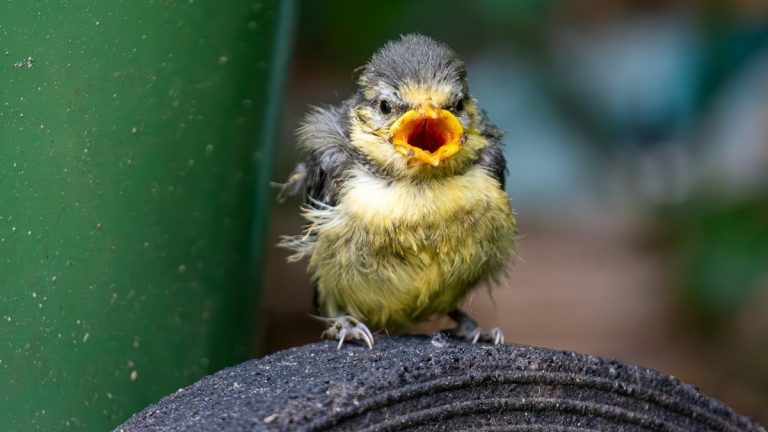
October 6, 2026
Found A Baby Bird? How To Tell If It Really Needs Help
Found a baby bird? Learn how to tell a nestling from a fledgling, when to leave it alone and when to call a wildlife…
Read article →This is general educational information. For an injured wild animal, contact a local wildlife rescue or veterinarian. Explore all care topics →