
On this page
THE BIRDS CARE HUB
Different bird species have very different space, social and feeding needs. Start with the species, rather than a single routine for every bird.
Pet birds range from small finches and canaries to budgies, cockatiels and large parrots, and their needs differ a great deal. Finches and canaries are usually happiest with others of their kind and prefer watching to being handled. Budgies and cockatiels are sociable and curious. Larger parrots are intelligent, long-lived and can need hours of interaction each day. This hub covers the shared principles of bird care and highlights where species differences matter most.
Is A Bird Right For You?
Birds are often seen as easy pets, but many are demanding companions. Smaller species may live for a decade or so, while some larger parrots can outlive their owners, so it is worth planning for the long term.
- Time: daily feeding, cleaning and social contact. Hand-tame budgies, cockatiels and parrots need regular out-of-cage time with supervision.
- Space: a large cage or aviary, plus a safe room for flying. Finches and canaries need flight space more than handling.
- Noise and mess: many birds call loudly, especially at dawn and dusk, and scatter seed, husks and feathers.
- Costs: housing, varied fresh food, toys that will be destroyed and replaced, and access to an avian vet, which can mean travelling further than for a dog or cat.
- Household fit: cats, dogs and ferrets are natural predators of birds, and household fumes can be dangerous to them.
If you share your home with other pets, read our cat care hub and dog care hub for advice on keeping everyone safe, or see our exotic pets hub for other unusual companions.
Essential Equipment
- The largest cage or aviary you can fit, wider than it is tall, with bar spacing safe for the species
- Natural wooden perches of varying thickness, rather than only smooth dowels
- Separate food and water dishes that are easy to clean, plus a fresh food dish
- A shallow bath or a mister for bathing
- Safe toys for chewing, foraging and shredding, rotated regularly
- A secure travel carrier for vet visits
- A cage cover or a quiet, dark room to support regular sleep
- Cleaning supplies that are bird-safe and free from strong fragrance
Housing And Home Set-Up
Place the cage in a room where the household spends time, so the bird feels part of the flock, but away from draughts, direct sun, radiators and the kitchen. Birds have very sensitive airways. Smoke, aerosols, scented candles, air fresheners and fumes from overheated non-stick cookware can all be harmful. Before any free flight, close windows and doors, cover mirrors and large windows, switch off ceiling fans, and remove toxic houseplants and open water. Most birds need a consistent sleep period of around ten to twelve hours of darkness and quiet, although needs vary by species.
Food And Water
A seed-only diet is a common cause of nutritional problems in pet birds. Requirements differ between species, but for many budgies, cockatiels and parrots a balanced diet combines a good-quality formulated food (often pellets) with fresh vegetables, some fruit and a measured amount of seed. Finches and canaries are more seed-focused but still benefit from greens and other suitable extras.
- Change water daily, and more often if it is soiled.
- Remove fresh food after a few hours so it does not spoil.
- Never feed avocado, chocolate, caffeine, alcohol or salty and sugary foods.
- Switch diets gradually, as birds can be cautious about new foods and must keep eating.
An avian vet can advise on the right balance for your species and individual bird.
Behaviour And Enrichment
In the wild, birds spend much of the day foraging, flying and interacting with their flock. Without enough to do, pet birds can become bored, noisy or start damaging their own feathers. Offer foraging toys, safe items to shred, and chances to fly. Social species usually do best with a companion of their own kind, unless you can provide plenty of daily interaction. Train gently with small food rewards, step-up practice and target training, and learn the signs of an unhappy bird, such as fluffed feathers held for long periods, lunging or pinned eyes.
A Simple Care Routine
| How often | What to do |
|---|---|
| Daily | Fresh water and food, remove leftovers, replace cage liners, social time or supervised flight, and check droppings, breathing and behaviour |
| Weekly | Wash dishes and perches thoroughly, rotate toys, offer bathing and check beak, nails and feathers |
| Monthly | Deep clean the cage, replace worn perches and toys, and weigh your bird with kitchen scales to spot gradual changes |
| Yearly | A health check with an avian vet, and a review of diet, housing and enrichment |
Life Stages
Young Birds
Young birds are learning about their surroundings and benefit from calm handling, a varied diet introduced early, and gentle training. Avoid overwhelming them with too much change at once.
Adult Birds
Adults may show seasonal hormonal behaviour, such as nesting, egg laying in females or territorial behaviour. Adjusting daylight hours and removing nest-like spaces can help, and your avian vet can advise if it becomes a problem.
Older Birds
Older birds may perch less steadily, so lower perches, flat resting platforms and easy access to food and water become useful. More frequent check-ups help pick up gradual changes.
Signs Worth Discussing With An Avian Vet
- Fluffed-up feathers and sleepiness during the day
- Sitting on the cage floor or tail bobbing with each breath
- Changes in the colour, amount or consistency of droppings
- Discharge from the eyes or nostrils, or sneezing
- Reduced appetite or weight loss
- Feather plucking, bald patches or overgrown beak and nails
Birds often hide illness until it is advanced, so a bird that looks unwell should be seen promptly. Keep the bird warm and quiet and call an avian vet.
Frequently Asked Questions
Which Bird Is Best For Beginners?
Budgies and canaries are often suggested because of their size and manageable needs, but each has its own requirements. Choose based on how much time, space and noise suits your home.
Should I Keep One Bird Or Two?
Most pet birds are flock animals. Finches and canaries are usually kept in pairs or groups. A single budgie or parrot needs a lot of daily company from you.
Do I Need An Avian Vet?
Yes, where possible. Birds have specialised medical needs, so find a vet with avian experience before you need one.
For care guides across every species, visit our pet care library.
Latest Birds Articles
October 6, 2026
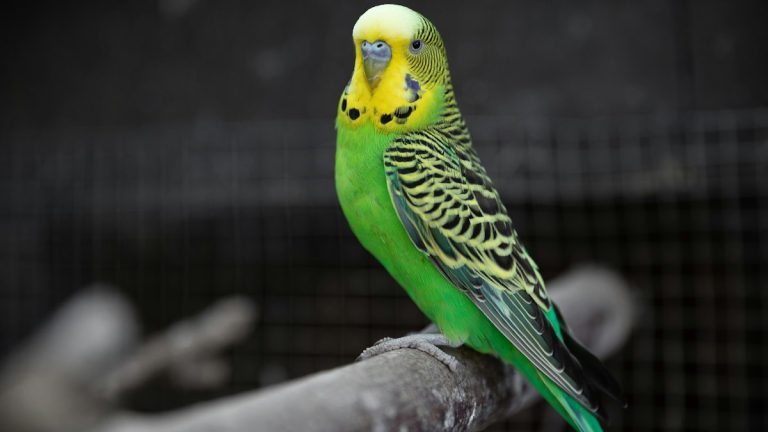
Budgie Care Guide: Cage Setup, Diet And Daily Routine
How to care for budgies: why they need company, how to set up the cage, what to feed beyond seed and a simple daily…
Read article →This is general educational information. For individual health questions, speak with a qualified veterinarian. Explore all pet care topics →