
On this page
THE DOGS CARE HUB
Build a routine around your dog’s age, size, energy and individual needs.
Dogs are social animals that thrive on company, routine and clear, kind communication. Their care varies enormously with breed type, size, age and personality, so a working collie, a toy breed and an elderly rescue greyhound will each need a different plan. This hub gives you the core principles of everyday dog care and points you towards more detailed guidance as our library grows.
Is A Dog Right For You?
A dog is a long-term commitment. Many dogs live well into their teens, and some smaller breeds live longer still, so it is worth thinking honestly about the years ahead before bringing one home.
- Time: most dogs need several outings and periods of play or training every day, plus company. Many cope poorly with being left alone for long stretches, so think about work hours and who can help.
- Space: a large garden is not essential, but every dog needs a quiet resting spot, safe access to outdoor toilet areas and regular walks somewhere interesting to sniff.
- Costs: budget for food, insurance or savings for vet bills, routine preventive care, grooming, equipment, training classes and care when you are away.
- Household fit: consider children, other pets, allergies, rented housing rules and your activity level. Energy, size and grooming needs differ greatly between types, so research before choosing rather than choosing on looks alone.
If you share your home with other animals, our cat care hub and small pets hub cover what those species need to feel safe alongside a dog.
Essential Equipment
- A comfortable, supportive bed in a quiet, draught-free spot
- A well-fitting collar with an identification tag, and microchip details kept up to date (both are legal requirements in the UK)
- A secure lead and, for many dogs, a comfortable harness that does not restrict shoulder movement
- Stable food and water bowls that are easy to clean
- Grooming tools suited to the coat type, plus a dog toothbrush
- A range of safe toys for chewing, tugging and puzzle feeding
- Poo bags, towels, and a secure crate or travel harness for car journeys
- Baby gates or a pen if you need to manage space while a dog settles in
Home Set-Up
Before a dog arrives, walk through your home at nose height. Move cables, medicines, cleaning products, bins and small objects out of reach, and check that gates and fences are secure. Some everyday foods and garden plants can be harmful to dogs, so it is worth learning which ones to keep away. Give your dog a resting area away from busy doorways where they can retreat and not be disturbed, and agree household rules early so everyone responds consistently.
Food And Water
Dogs do well on a complete, balanced diet suited to their life stage, size and activity level. Feed measured amounts rather than guessing, and adjust portions gradually based on body condition rather than the number on the packet alone. You should be able to feel the ribs easily under a thin layer of cover and see a waist from above.
- Fresh water should always be available, including on long walks and car trips.
- Make any change of food slowly, over several days, to reduce the chance of an upset stomach.
- Count treats and chews as part of the daily allowance.
- Avoid sharing meals from your plate; several common human foods are unsafe for dogs.
If you are unsure what or how much to feed, a qualified veterinarian or registered veterinary nurse can assess your dog’s weight and suggest a sensible plan.
Behaviour And Enrichment
Dogs explore the world through their noses, and sniffing is mentally tiring in a good way. A slower walk with time to investigate can be as satisfying as a long march. Aim for a mix of physical exercise, mental work and rest.
- Training: short, reward-based sessions build confidence and a shared language. Avoid harsh corrections, which can increase fear and confusion.
- Enrichment: scatter feeding, snuffle mats, food puzzles and simple scent games work well for most dogs.
- Socialisation: introduce new people, places, sounds and dogs gradually, letting your dog watch from a comfortable distance.
- Rest: adult dogs sleep for a large part of the day, and puppies even more. Protect that downtime.
Learn to read body language such as lip licking, yawning, a tucked tail or turning away. These often mean a dog feels uneasy and would like more space.
A Simple Care Routine
| How often | What to do |
|---|---|
| Daily | Fresh water, measured meals, walks and play, a brief training or enrichment session, toilet breaks, and a quick check of eyes, ears, paws and appetite |
| Weekly | Brush the coat, check nails and teeth, wash bowls and bedding as needed, and look over toys for damage |
| Monthly | Weigh or body-condition check, review parasite prevention with your vet’s advice, and check collar fit and ID tag |
| Yearly | A routine health check with your vet, vaccination review, dental assessment and an update of microchip details if anything has changed |
Life Stages
Puppies
Puppies need frequent small meals, plenty of sleep, gentle socialisation and patient toilet training. Keep exercise short and play-based while they are growing, and start handling paws, ears and mouth kindly so future vet visits and grooming feel normal.
Adult Dogs
Adults benefit from steady routines, regular exercise that matches their breed type and fitness, and ongoing training to keep their minds busy. This is a good time to establish dental care and weight habits that will help later in life.
Senior Dogs
Older dogs may slow down, sleep more and find stairs or slippery floors harder. Shorter, more frequent walks, supportive bedding, non-slip rugs and more regular health checks can help. Changes in behaviour, such as confusion at night, are worth mentioning to your vet rather than putting down to age alone.
Signs Worth Discussing With A Vet
- Eating or drinking much more or much less than usual
- Repeated vomiting, diarrhoea or difficulty passing urine or faeces
- Lameness, stiffness or reluctance to move, jump or climb stairs
- Coughing, laboured breathing or unusual tiredness
- New lumps, sore skin, persistent scratching or head shaking
- Sudden weight change or a swollen, tight-looking belly
- Noticeable changes in behaviour, mood or toilet habits
Some situations, such as a swollen belly with unproductive retching, collapse, or suspected poisoning, need urgent attention. If in doubt, phone your vet straight away.
Frequently Asked Questions
How Much Exercise Does My Dog Need?
It depends on breed type, age and health. Working and sporting breeds often need more activity than toy or brachycephalic breeds. Watch for signs of tiredness and build fitness gradually.
How Often Should I Groom My Dog?
Short coats may only need a weekly brush, while long, double or curly coats can need brushing most days and regular professional trimming. Check ears, nails and teeth as part of the same routine.
Is It Better To Adopt Or Buy A Puppy?
Both can work well. Rescue centres can often match you with an adult dog whose personality is already known. If buying, choose a responsible breeder who lets you see the puppy with its mother and answers health questions openly.
Can My Dog Be Left Alone?
Many adult dogs can manage a few hours once they have been gradually taught that being alone is safe. Long daily absences usually call for a dog walker, sitter or daycare.
For care guides across every species, visit our pet care library, and read our editorial policy to see how we research and review our content.
Latest Dogs Articles
October 6, 2026
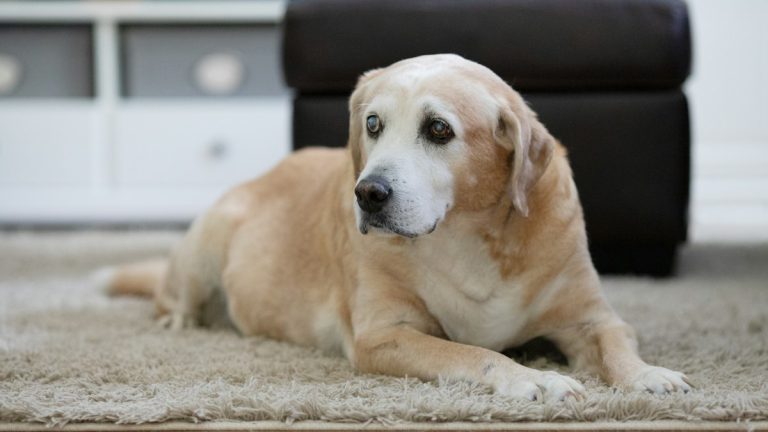
Caring For A Senior Dog: Everyday Changes That Make Life Easier
Practical senior dog care: gentler exercise, a comfortable home, the right diet, grooming and the signs that mean it is time to see your…
Read article →
October 5, 2026
Bringing Home A New Puppy: Your First Week, Day By Day
A calm, day-by-day plan for your new puppy’s first week, covering routines, toilet training, gentle socialisation and the first vet check.
Read article →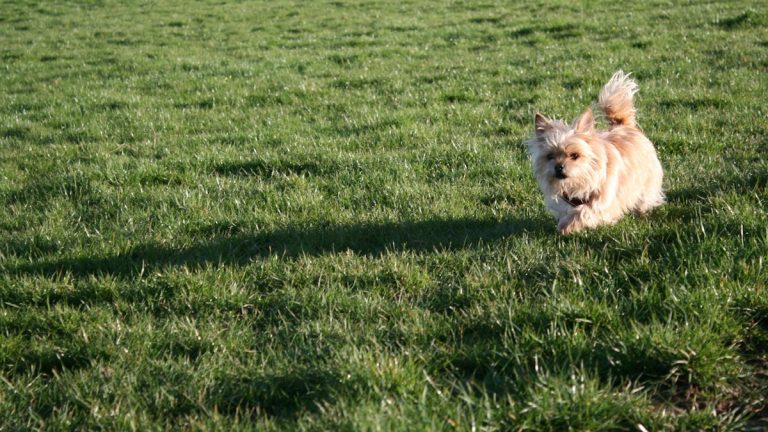
October 5, 2026
How Much Exercise Does A Dog Need? A Guide By Age, Breed And Energy Level
How much exercise does a dog need? Practical guidance by age, breed and energy level, plus signs your dog is getting the balance right.
Read article →This is general educational information. For individual health questions, speak with a qualified veterinarian. Explore all pet care topics →