
On this page
LEARN AT YOUR PET’S PACE
Your starting point for thoughtful, species-specific care. Choose a companion or explore an everyday care topic below.
Dogs
Walks, play, grooming and life with your dog.
Explore dogsCats
Understand the cat behind the whiskers.
Explore catsBirds
Enrichment, housing and feathered companionship.
Explore birdsSmall Pets
Big care for your smallest companions.
Explore small petsReptiles
Habitats built around the species.
Explore reptilesFish
A thoughtful approach to aquatic life.
Explore fishGetting Started With A New Pet
- Research adult size, lifespan, behaviour and social needs.
- Consider available space, time and ongoing budget.
- Prepare appropriate housing and equipment before arrival.
- Find a veterinarian familiar with the species.
- Arrange care when you travel or are unavailable.
- Observe normal routines so changes are easier to recognise.
Food & Nutrition
Nutrition is species-specific. Learn about suitable diets and feeding routines for the particular animal you keep. Avoid assuming that food suitable for one pet is suitable for another. Ask a veterinarian about individual dietary needs.
Behaviour & Enrichment
Good environments make room for natural behaviours. Consider exploring, foraging, hiding, climbing, chewing or social interaction, depending on the species. Introduce changes gradually and observe how your pet responds.
Home & Habitat
Plan for security, space, comfort and maintenance. Aquatic animals and reptiles need carefully managed conditions; birds and small mammals have their own housing requirements. Start with the species’ needs and use reliable monitoring where appropriate.
Everyday Care
Build a predictable routine for feeding, cleaning, activity and observation. Keep a simple record of important changes and routine veterinary visits. General information cannot determine what is right for an individual pet.
Life Stages
An animal’s needs change as it grows. Young animals usually need more frequent feeding, careful socialisation or handling, and a home that is safe for curious explorers. Adults settle into steadier routines, which is when a reliable picture of “normal” is easiest to build. Older animals may slow down, eat differently or need easier access to food, water, warmth and resting places. Reviewing diet, housing and activity at each stage, rather than keeping everything the same for life, helps your care keep pace with your companion.
Responsible Ownership
Good care reaches beyond the home. Responsible ownership means planning for the whole of an animal’s life, keeping identification and registration up to date where it is required, preventing unplanned breeding, and making arrangements for holidays, illness or a change in your circumstances. It also means never releasing a pet into the wild, which can harm the animal and local wildlife. If you can no longer care for an animal, a recognised rescue or rehoming organisation is the safest route.
How To Use This Library
The library is organised so you can start broad and narrow down to exactly what you need.
- Start with a hub. Each animal group has its own hub page with an overview of its needs and links to related guides.
- Explore an everyday topic. Within each hub, guides are grouped around themes such as feeding, housing, behaviour and routine care.
- Read the individual guide. Each guide focuses on one question, so you can find a clear answer without wading through unrelated detail.
Alongside the companions in the grid above, you will also find hubs for amphibians, exotic pets, horses, farm animals and invertebrates, plus a wildlife hub for living alongside the animals that share our gardens and neighbourhoods.
Choosing The Right Animal For Your Life
The best match is an animal whose needs fit comfortably into the life you actually lead, not the one you hope to have. Before you commit, it helps to work through a few honest questions.
| Question | Why it matters |
|---|---|
| How much time do I have each day? | Some animals need several hours of company, exercise or training; others need less daily contact but regular, careful maintenance. |
| How much space can I offer? | Consider adult size, not baby size, and whether the animal needs outdoor access, a large enclosure or room to fly, swim or graze. |
| Am I ready for the full lifespan? | Many pets live far longer than people expect. Some birds, tortoises, fish and horses can be lifelong commitments. |
| What will it cost over time? | Think beyond the purchase price: food, bedding, equipment, heating or lighting, insurance, routine vet visits and unexpected treatment. |
| Is it legal where I live? | Some species need licences, registration or permits, and rules vary between countries and regions. Tenancy agreements may also restrict pets. |
| Is there a vet nearby who treats this species? | Exotic animals, reptiles, birds and fish often need a vet with specialist experience, which may mean travelling further. |
If you are weighing up options, the small pets, birds, reptiles and fish hubs are a good place to compare day-to-day needs before deciding.
Know Your Animal’s Normal
You are the person best placed to notice when something changes. Spend a few minutes each day simply watching, and jot down anything that seems different. Useful things to observe include:
- Appetite and drinking: how much, how quickly and at what times.
- Droppings or litter: amount, colour and consistency.
- Energy and activity: when your animal is usually busy and when it rests.
- Movement and posture: how it walks, climbs, perches, swims or settles.
- Breathing at rest and the condition of eyes, nose, skin, coat, feathers or scales.
- Weight or body shape, checked regularly in the same way.
- Behaviour and social interaction with you and with other animals.
A simple notebook or phone note with dates is enough. Records like this make it easier to spot gradual changes and give a vet useful detail if you ever need advice.
When To Speak To A Vet
Our guides explain general care, but they cannot examine your animal. As a general principle, contact a vet if you notice:
- A sudden change from your animal’s normal behaviour, appetite or toilet habits.
- Difficulty breathing, collapse, bleeding, seizures or suspected poisoning, which should be treated as urgent.
- Signs of pain, such as hiding, reluctance to move or unusual aggression.
- A problem that is mild but persistent, or that keeps returning.
Small animals, birds, reptiles and fish often hide signs of illness until they are quite unwell, so it is better to ask early than to wait. It is worth finding a suitable vet, and checking how they handle out-of-hours care, before you need one.
How We Write Our Guides
From the Heart Vet is an independent pet-care information site, not a veterinary practice. We write in plain language, focus on practical everyday care and review guides when better information becomes available. You can read more about our approach in our editorial policy, how the site is funded in our advertising disclosure, and the limits of general information in our disclaimer. To learn who we are, visit About Us.
Frequently Asked Questions
Can This Library Replace Advice From My Vet?
No. The guides are general information to help you understand your animal and ask better questions. Only a vet who has examined your animal can diagnose a problem or recommend treatment.
Which Pet Is Easiest For A Beginner?
There is no single easiest pet. The right choice depends on your time, space, budget and the animal’s lifespan. Working through the questions in the table above, then reading the relevant hub, is a sensible way to narrow down your options.
What Should I Do If I Cannot Find A Guide On My Topic?
Start with the hub for your animal, as new guides are added over time. If you have a suggestion or notice something that needs updating, please get in touch.
Newest Articles
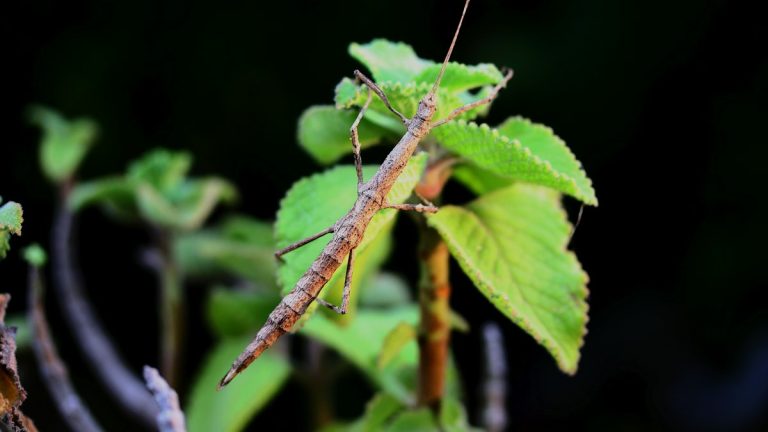
October 6, 2026
Stick Insect Care For Beginners: Enclosure, Food Plants And Moulting
A beginner's guide to stick insect care: choosing a tall, ventilated enclosure, safe food plants, misting, moulting and handling eggs responsibly.
Read article →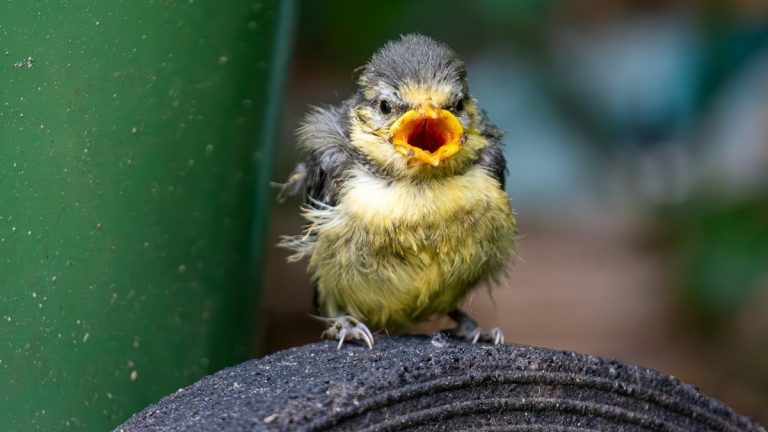
October 6, 2026
Found A Baby Bird? How To Tell If It Really Needs Help
Found a baby bird? Learn how to tell a nestling from a fledgling, when to leave it alone and when to call a wildlife…
Read article →
October 6, 2026
Keeping A Pet Hedgehog: What To Know Before You Commit
Pet hedgehog care explained: legal checks, warmth, housing, diet and handling for African pygmy hedgehogs, so you can decide if one suits you.
Read article →