
On this page
THE REPTILES CARE HUB
Reptile care starts with the right environment. Requirements vary substantially between species and life stages.
What This Hub Covers
Reptiles such as tortoises, turtles, lizards and snakes are ectothermic. They rely on their surroundings to control their body temperature, so their health depends heavily on the environment you create. Heat, light, humidity and diet must match the species, and problems often develop slowly because of husbandry rather than suddenly. This hub explains the core principles. The articles below cover individual species and topics in more depth.
Choosing The Right Species
Reptiles vary enormously in adult size, lifespan and set-up needs, so research the adult animal, not the hatchling in the shop.
- Leopard geckos are often recommended for first-time keepers. They are mostly active at dusk, stay a manageable size and need a warm, dry set-up with a humid hide for shedding.
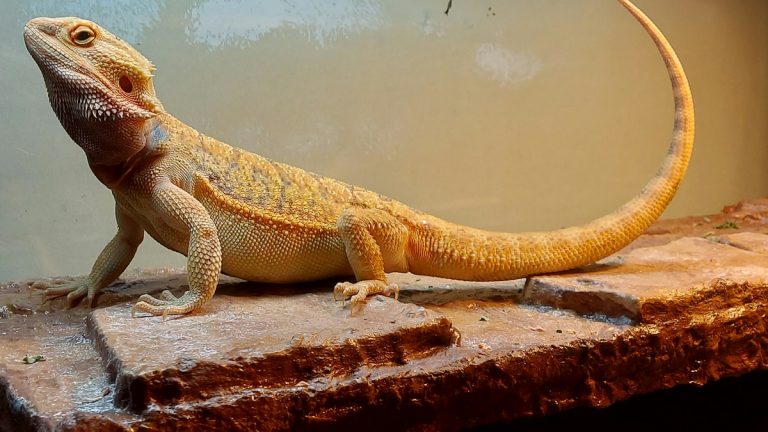
- Bearded dragons are active during the day and often tolerant of handling. They need a large vivarium, strong UVB lighting, a hot basking spot and a diet that shifts towards plants as they mature.
- Corn snakes and other small constrictors are generally docile and eat infrequently. They are skilled escape artists, so they need a secure, lockable enclosure.
- Tortoises can live for many decades, so they may outlive their owner. Mediterranean species need outdoor grazing time in suitable weather, and some species hibernate, which must be planned carefully.
- Aquatic turtles and terrapins grow larger than many people expect and need big tanks with powerful filtration and a dry basking area. They are a significant long-term commitment.
Set-up costs, including the enclosure, lighting, thermostats and thermometers, are often higher than the cost of the animal, and running costs include electricity and replacing UVB bulbs. If amphibians also interest you, see our amphibians hub, as their needs are different.
Essential Equipment
- A secure, appropriately sized enclosure for the adult animal, with good ventilation
- A heat source suited to the species, such as a basking lamp or ceramic heater, always connected to a thermostat
- UVB lighting for species that need it, replaced on the manufacturer’s schedule even if it still lights up
- At least two thermometers or a probe thermometer to check both the warm and cool ends
- A hygrometer to monitor humidity
- Hides at both the warm and cool ends, plus climbing branches or décor for arboreal species
- A species-appropriate substrate that is easy to spot-clean
- A water bowl, or for aquatic species, a filter and a dry basking platform
- Heat guards, so animals cannot touch bulbs or heaters
Habitat Set-Up: Heat, Light And Humidity
Heat gradient. Reptiles regulate their body temperature by moving between warm and cool areas, so the enclosure needs a hot basking spot at one end and a cooler zone at the other. Target temperatures differ widely by species, so check reliable care guidance for your animal and measure at the animal’s level rather than guessing. Never rely on heat mats or bulbs without a thermostat.
Lighting and UVB. Day-active lizards and tortoises generally need UVB to make vitamin D3 and use calcium properly. Without it, they can develop metabolic bone disease. Glass and many plastics block UVB, so lamps need a clear line to the basking area at the correct distance. Many keepers also provide some UVB for crepuscular species. Give a consistent day and night cycle.
Humidity. Desert species need dry air with a humid hide for shedding, while tropical species need consistently higher humidity. Too damp or too dry can both cause problems with breathing, skin and shedding.
Food And Water
- Insect-eating lizards need a variety of live insects of a suitable size, fed a nutritious diet before feeding (gut loading) and dusted with calcium and, as advised, a multivitamin.
- Bearded dragons eat more insects when young and more leafy greens and vegetables as adults.
- Tortoises are mainly grazers. Weeds, leaves and flowers suitable for the species are usually better than supermarket salad or fruit.
- Snakes eat whole prey, usually frozen and fully thawed, sized to the snake’s girth. Never feed live vertebrates.
- Provide clean water at all times, in a form the species will use. Some lizards drink droplets rather than from a bowl.
Behaviour And Enrichment
Most reptiles tolerate handling rather than seek it, and some prefer to be left alone. Keep handling calm, short and supported, avoid handling snakes for a day or two after feeding, and never grab lizards by the tail. Enrichment can include varied décor and climbing routes, digging areas for burrowing species, scatter-feeding or hunting for insects, and supervised outdoor time for tortoises in suitable weather. Hiding a lot is normal for many species, especially when settling in.
A Simple Care Routine
| How often | What to do |
|---|---|
| Daily | Check temperatures and humidity, refresh water, spot-clean waste, and feed according to the species and age |
| Weekly | Clean water bowls and décor, check skin, eyes, vent and shedding, weigh the animal or keep a regular weight record, and review feeding |
| Monthly | Deep-clean or partly replace substrate, check electrics and thermostats, and note when UVB lamps are due for replacement |
Life Stages
Juveniles grow quickly and often need more frequent feeding and closer attention to calcium and UVB. Adults usually eat less often. Breeding females can need extra calcium and a suitable laying site, even without a male. Older reptiles may become less active and benefit from easier access to basking spots. Tortoises that hibernate should only do so if they are healthy and well prepared, so speak to an experienced vet beforehand.
Signs Worth Discussing With A Vet
Look for a vet experienced with reptiles. Many general practices will refer you. Seek advice if you notice:
- Not eating for longer than is normal for the species and season, or weight loss
- Bubbles or discharge around the nose or mouth, open-mouth breathing or wheezing
- Swollen or soft jaw, limbs that look bent, or trembling (possible bone problems)
- Stuck shed, especially around the toes, tail tip or eyes
- Swollen or closed eyes, or a swollen, prolapsed or dirty vent
- Soft, damaged or unusually shaped shell in tortoises and turtles
- Lethargy at normal temperatures, or diarrhoea
Frequently Asked Questions
Which Reptile Is Easiest For A Beginner?
Leopard geckos and corn snakes are often suggested because they stay a manageable size and have well-understood care needs. Whichever you choose, make sure the set-up is complete and stable before the animal arrives.
Do All Reptiles Need UVB?
Day-active lizards and tortoises generally do. Needs vary for nocturnal geckos and snakes, but many keepers provide low-level UVB. Check reliable guidance for your species.
Can Reptiles Carry Infections That Affect People?
Reptiles can carry Salmonella without showing signs. Wash your hands after handling animals or cleaning enclosures, and take extra care around young children and anyone with a weakened immune system.
Is It Normal For My Reptile To Stop Eating?
Some reptiles eat less before shedding, during breeding season or in cooler months. A prolonged refusal or any weight loss should be checked by a vet. You can also find wider advice in our pet care section and exotic pets hub.
Latest Reptiles Articles
October 6, 2026
Bearded Dragon Lighting And Heating: UVB And Basking Explained
How to set up bearded dragon UVB lighting and heating: choosing a lamp, basking temperatures, thermostats, day length and when to replace bulbs.
Read article →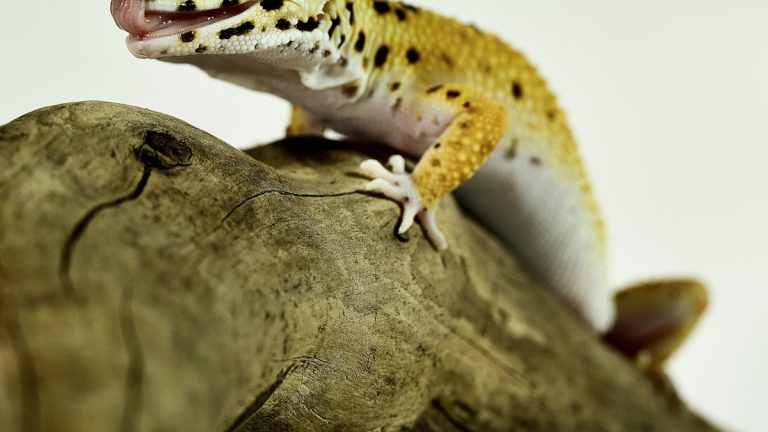
October 5, 2026
Leopard Gecko Care Sheet: Enclosure, Heating And Diet
A practical leopard gecko care sheet covering enclosure size, safe heating and temperatures, hides, humidity, feeding and supplements.
Read article →This is general educational information. For individual health questions, speak with a qualified veterinarian. Explore all pet care topics →