
On this page
THE FISH CARE HUB
An aquarium is a living environment. Plan the system, species and ongoing maintenance before adding animals.
What This Hub Covers
Keeping fish means caring for the water first. In an aquarium or pond, invisible waste products build up quickly, and most fish health problems start with water quality. This hub explains the basics of choosing fish, setting up and cycling a tank, feeding and routine maintenance, for both coldwater and tropical freshwater systems and garden ponds. The articles below go into more detail on specific species and problems.
Choosing The Right Fish
The fish you can keep depends on the tank or pond you can provide, not the other way round. Research the adult size, temperament, preferred group size and water conditions of every species before buying.
- Coldwater fish, such as goldfish, need no heater but produce a lot of waste. Fancy goldfish need a large, well-filtered aquarium, and common goldfish grow big enough that a pond is often a better long-term home. Goldfish bowls are not suitable.
- Tropical community fish, such as many tetras, rasboras, corydoras and livebearers, need a heater and stable conditions. Many shoaling species are only comfortable in groups.
- Bettas can be kept in a smaller heated, filtered tank, but males should not be kept together and may not suit some tankmates.
- Pond fish, such as goldfish and koi, need a deep, well-filtered pond. Koi in particular grow large and live for many years.
Larger tanks are generally more stable and forgiving than small ones. Mixing species also means checking compatibility: temperature, water hardness, size and behaviour all need to match. Marine aquariums are more demanding and are best attempted with experience. If you are weighing up other aquatic animals, our amphibians and invertebrates hubs may help.
Essential Equipment
- A tank or pond sized for the adult fish you plan to keep, with a lid on aquariums
- A filter suited to the volume and stocking level, ideally with mechanical and biological stages
- A heater with a thermostat for tropical fish, plus a thermometer for every system
- A test kit for ammonia, nitrite, nitrate and pH (liquid kits are generally more reliable than strips)
- Water conditioner to remove chlorine and chloramine from tap water
- A gravel cleaner or siphon and buckets used only for the aquarium
- Lighting on a timer, plus substrate, plants and décor that provide cover
- A separate quarantine tank, if possible, for new arrivals or sick fish
- For ponds: a pump, a filter and, ideally, a UV clarifier, plus netting or other protection from herons
Set-Up: Filtration, Cycling And Stocking
Filtration. Filters do two jobs: trap debris and, more importantly, house beneficial bacteria. These bacteria convert toxic ammonia from fish waste into nitrite and then into much less harmful nitrate. Never rinse filter media under the tap, as chlorine can kill the bacteria. Rinse it gently in old tank water during a water change instead.
Cycling. A new tank has no established bacteria, so adding a full load of fish straight away can cause “new tank syndrome”. The safest approach is a fishless cycle: add an ammonia source and test regularly until ammonia and nitrite consistently read zero and nitrate appears. This often takes several weeks. Then add fish gradually, a few at a time.
Stocking. Overstocking is one of the most common causes of poor water quality. Simple rules of thumb based on length per litre ignore body mass and behaviour, so plan around adult sizes, swimming space and filter capacity, and stock conservatively. Quarantine new fish where you can.
Food And Water
- Feed a good-quality food designed for the type of fish, such as floating or sinking pellets, flakes or wafers, depending on where the fish feed.
- Add variety with suitable frozen or live foods for species that benefit, and vegetable matter for grazers.
- Offer only what is eaten within a couple of minutes, once or twice a day. Uneaten food quickly fouls the water.
- Pond fish eat less as the water cools and may need little or no food in cold winter water. Feed according to the temperature.
- Treat all tap water with conditioner and roughly match its temperature before adding it.
Behaviour And Enrichment
Natural behaviour is the best sign of a good set-up. Shoaling fish should swim together confidently, bottom dwellers should forage, and fish should be alert at feeding time. Live or artificial plants, caves, wood and open swimming space give fish places to explore, shelter and rest. Keep lighting to a regular day length and position the tank away from direct sunlight, radiators and heavy footfall.
A Simple Care Routine
| How often | What to do |
|---|---|
| Daily | Feed, check that all fish are present and behaving normally, check the temperature and that the filter and heater are running, and remove uneaten food |
| Weekly | Test water parameters, carry out a partial water change with conditioned water (many keepers change around a quarter to a third, depending on stocking), vacuum the substrate and clean the glass |
| Monthly | Gently rinse filter media in old tank water, trim plants, check equipment and seals, and review your stocking and test records |
Life Stages
Young fish grow quickly and need regular small feeds and excellent water quality. Many fish sold as juveniles reach several times their shop size, so plan the tank for the adult. Some species breed readily in home aquariums, especially livebearers, so decide in advance how you will manage fry. Older fish may become less active and more vulnerable to stress and infection, so stable conditions matter even more.
Signs Worth Discussing With A Vet
Some vets treat fish, and an aquatic or exotic vet can test water and examine fish properly. First test your water, as many symptoms are caused by poor conditions. Then seek advice if you see:
- Gasping at the surface or rapid gill movement
- White spots, fuzzy patches, ulcers or red streaks on the body or fins
- Clamped or ragged fins, or fish rubbing against décor
- Bloating, raised scales or eyes that bulge
- Swimming problems, such as floating, sinking or lying on the bottom
- Not eating, or sudden losses of several fish
Frequently Asked Questions
How Soon Can I Add Fish To A New Tank?
Only once the tank has cycled, meaning ammonia and nitrite stay at zero while the bacteria are being fed. This usually takes weeks, not days.
Can Goldfish Live In A Bowl?
No. Goldfish produce a lot of waste and can grow large, so they need a spacious, filtered aquarium or a pond.
How Often Should I Clean The Filter?
Usually only when the flow drops, and always in old tank water rather than tap water. Avoid cleaning the filter on the same day as a large water change, so the bacteria are not disturbed all at once.
Should I Change All The Water When Fish Look Unwell?
No. A full change can shock fish. Test the water, carry out partial water changes to correct problems and seek expert advice. Our pet care section has more general guidance.
Latest Fish Articles
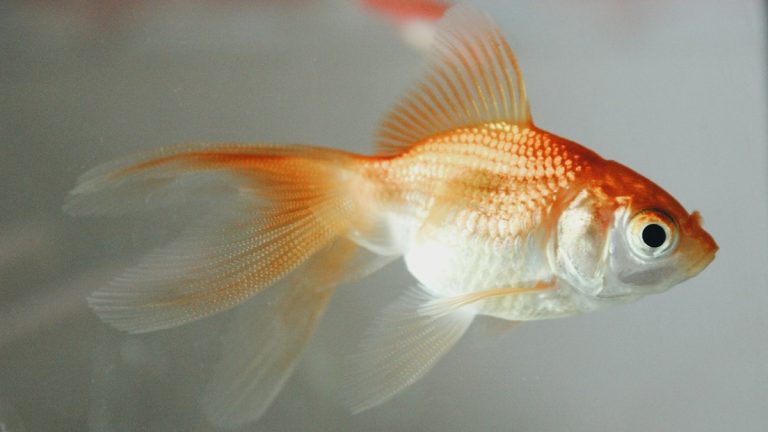
October 6, 2026
Goldfish Care Guide: Tank Size, Filtration And Feeding
Everything you need for healthy goldfish: realistic tank sizes, strong filtration, water changes, temperature, feeding and suitable tank mates.
Read article →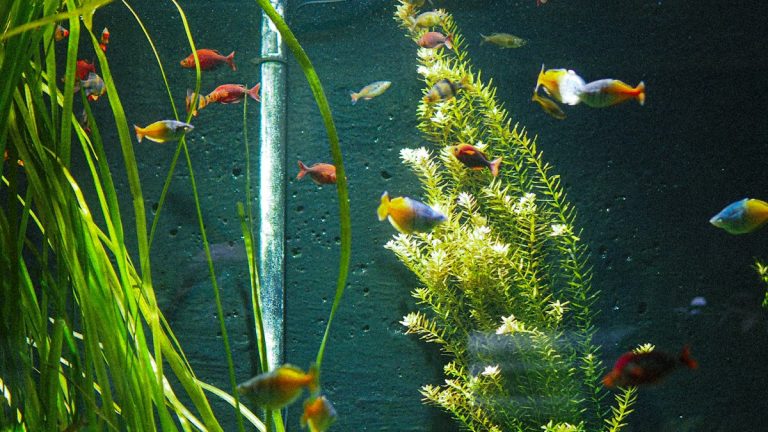
October 5, 2026
How To Cycle A Fish Tank: The Nitrogen Cycle Explained Simply
Learn how to cycle a fish tank step by step, what the nitrogen cycle does, and how to tell when your aquarium is safe…
Read article →This is general educational information. For individual health questions, speak with a qualified veterinarian. Explore all pet care topics →