
On this page
THE INSECTS & INVERTEBRATES CARE HUB
Snails, stick insects, tarantulas, hermit crabs and other invertebrates are small, but their needs are very specific.
Why Keep Invertebrates?
Insects, spiders, snails and their relatives are fascinating to watch, often quiet and compact, and can be a lovely way to learn about natural behaviour up close. They are not “starter pets” that need no thought, though. Each species has precise needs for temperature, humidity and diet, and getting those wrong is the most common reason invertebrates struggle. This hub covers popular choices such as stick insects, giant African land snails (where they are legal), tarantulas, millipedes and beetles, plus a section on keeping honeybees, which is a very different commitment.
Before You Start
- Legality: some species are banned or restricted in certain countries because they could become invasive or damage crops if released. Giant land snails, for example, are prohibited in some places. Always check local laws before buying, and buy captive-bred animals from a reputable source.
- Never release: pet invertebrates, their eggs or their substrate should never be put outside. Freeze or bin unwanted eggs and bake or bag used substrate before disposal.
- Lifespan: this varies enormously. Some beetles live for weeks as adults, while female tarantulas of some species can live for many years.
- Household safety: tarantulas can bite and many shed irritating hairs, and millipedes can release defensive fluids. These are better as display animals than handling pets, especially around young children.
- Costs: animals themselves are often cheap, but enclosures, heating, thermostats and thermometers add up.
- Holiday cover: many species cope with a few days alone, but humidity and food still need checking.
Essential Set-Up Checklist
- A secure, escape-proof enclosure with a well-fitting lid and fine ventilation that small animals cannot squeeze through
- The right substrate for the species, such as coco fibre, peat-free soil or leaf litter
- A thermometer and hygrometer, plus a heat source with a thermostat if your home is not warm enough
- Hides, bark, branches or climbing material as appropriate
- A shallow water dish or misting spray (with care to avoid drowning risks for small animals)
- Soft tweezers or a small brush for moving food and debris
Popular Species At A Glance
Stick Insects
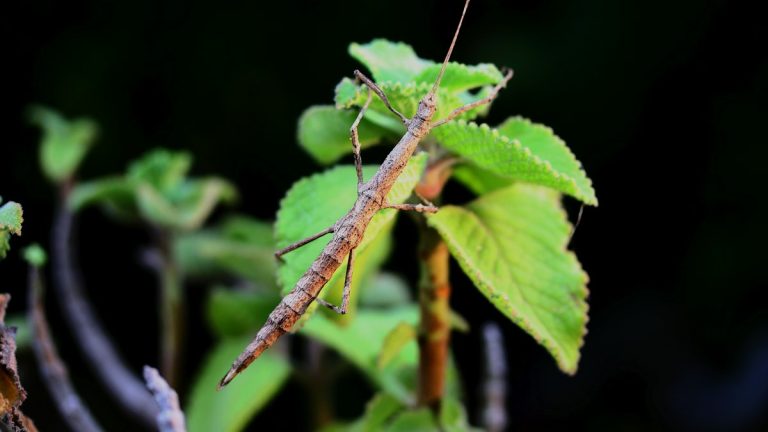
Tall, well-ventilated enclosures are important because stick insects need height to moult safely. Most feed on fresh leaves such as bramble or privet, kept fresh in a narrow-necked pot of water that they cannot fall into. Many species reproduce without a male, so eggs can build up quickly.
Giant African Land Snails
Where legal, these snails need a warm, humid tank with deep, damp substrate, a calcium source such as cuttlefish bone for shell health, and fresh vegetables. They lay large clutches of eggs, which must never be released.
Tarantulas
Ground-dwelling, burrowing and tree-dwelling species need very different set-ups, so research your exact species. Feed appropriately sized live insects, remove uneaten prey, and never disturb a tarantula that is preparing to moult or has just moulted, as it is soft and vulnerable.
Millipedes
Giant millipedes need deep, damp substrate with rotting hardwood and leaf litter, which they eat alongside vegetables. They spend much of their time buried, which is normal.
Beetles
Many pet beetles, such as flower beetles, spend most of their life as larvae in deep substrate before emerging as adults. Larvae and adults often need different care, so plan for the full life cycle.
Keeping Honeybees
Beekeeping suits people who want to support pollinators and enjoy a hands-on hobby, but it is closer to livestock keeping than to a pet. A colony needs regular inspections in the warmer months, protective clothing, knowledge of swarm control and attention to disease. In some places hives must be registered, and certain bee diseases are notifiable. Neighbours’ views matter too, so think about the flight path from your hive. A course or mentoring from an experienced local beekeeper before you buy a colony is strongly recommended.
Food, Water And Humidity
Feed fresh, pesticide-free food. Wash shop-bought vegetables, and collect leaves only from areas that have not been sprayed or exposed to heavy traffic. Remove uneaten fresh food before it goes mouldy. Most problems with invertebrates come back to humidity: too dry and they struggle to moult; too wet and mould and mites take hold. Aim for the range your species needs and check it rather than guessing.
A Simple Care Routine
| How often | What to do |
|---|---|
| Daily | Quick look at each animal; check temperature and humidity; mist if needed; remove leftover fresh food. |
| Weekly | Feed (frequency varies by species); refresh leaves for stick insects; spot-clean droppings and mould; top up water dishes. |
| Monthly | Check the enclosure for gaps, condensation problems or mites; collect and deal with eggs; review numbers. |
| As needed | Replace substrate fully, avoiding disturbance to moulting animals or developing larvae. |
Health Watch: Signs Worth Discussing With An Exotic Vet
Vets who treat invertebrates are not common, but some exotic-animal vets will help, and they can advise on husbandry, which solves most problems. Seek advice if you notice:
- A tarantula lying in a hunched posture with its legs curled tightly beneath it
- Repeated failed or stuck moults, or deformed limbs after a moult
- Large numbers of tiny mites on the animal rather than just in the substrate
- A snail that stays sealed in its shell for long periods, has a thinning or cracked shell, or produces lots of foam
- Sudden losses of several animals in one enclosure
- Loss of appetite outside a normal pre-moult period
Frequently Asked Questions
Are Invertebrates Good Pets For Children?
Stick insects and some beetles can be great for families with adult supervision. Tarantulas and giant millipedes are better watched than handled. Always wash hands after cleaning or handling any invertebrate.
What Should I Do With Too Many Eggs?
Only hatch what you can house and rehome responsibly. Freeze surplus eggs before disposal, and never put them in the garden or compost.
Do Invertebrates Need Heating?
Some tropical species do, especially in cooler homes. Use a heat source controlled by a thermostat and check the temperature on a thermometer.
Can I Keep Wild-Caught Bugs From My Garden?
Watching garden minibeasts briefly and then returning them where you found them is a lovely activity, but long-term keeping is best left to captive-bred species. Our wildlife hub has ideas for supporting garden insects instead.
You may also like our exotic pets, reptiles and amphibians hubs, as well as general advice in our pet care section.
Latest Insects & Invertebrates Articles
October 6, 2026
Stick Insect Care For Beginners: Enclosure, Food Plants And Moulting
A beginner's guide to stick insect care: choosing a tall, ventilated enclosure, safe food plants, misting, moulting and handling eggs responsibly.
Read article →This is general educational information. For individual health questions, speak with a qualified veterinarian. Explore all pet care topics →