
On this page
THE SMALL PETS CARE HUB
Rabbits, guinea pigs, hamsters and other small mammals need care that reflects their own species and behaviour.
What This Hub Covers
Small pets include rabbits, guinea pigs, hamsters, gerbils, rats, mice and chinchillas. They are often thought of as easy starter pets, but each species has its own needs for space, diet, company and handling. Most are prey animals, so they tend to hide pain and illness, and small changes in eating, droppings or behaviour can matter more than you might expect. This hub gives an overview, and the articles below go into more detail.
Choosing The Right Species
Small pets differ more than their size suggests. Before you choose, think about how much time and space you have, who will handle the animal and how long you are ready to commit.
- Rabbits need much more space than a traditional hutch provides, plus daily exercise and a neutered companion of their own kind. They can live for many years, often around a decade.
- Guinea pigs are sociable and chatty and do best in pairs or small groups. They need a dietary source of vitamin C every day and usually live for several years.
- Hamsters are mostly nocturnal. Syrian hamsters must live alone, while some dwarf species can sometimes share but may fall out. They have short lifespans, typically two to three years.
- Gerbils are active and love to dig. They usually live in same-sex pairs or groups and are generally awake for spells during the day as well as at night.
- Rats are intelligent, social and highly trainable. They need companions of their own kind, a large multi-level cage and daily time out to explore.
- Mice suit people who enjoy watching rather than handling. Females usually live happily in groups, while males are often best kept alone.
- Chinchillas are long-lived, crepuscular and sensitive to heat. They need a tall cage, dust baths and a cool, quiet room.
Small pets are not automatically cheap or low maintenance. Housing, bedding, fresh food and vet care add up, and treatment for rabbits and some rodents may need a vet with exotic-animal experience. If you are deciding between animal groups, the birds and exotic pets hubs may help you compare.
Essential Equipment
- A secure enclosure or run that is as large as you can manage, with solid flooring rather than bare wire
- Safe bedding or substrate, such as paper-based bedding, with deep digging areas for burrowers
- Hiding places, ideally one per animal plus one spare, so no one gets trapped
- A heavy food bowl and a water bottle or bowl, checked daily (many animals drink more from a bowl)
- A hay rack or a clean hay area for rabbits, guinea pigs and chinchillas
- A solid-surface exercise wheel of the right diameter for hamsters, gerbils and mice, so the back does not arch
- Gnawing items and safe chews to help wear down continuously growing teeth
- A litter tray for rabbits, plus a dust bath for chinchillas and a sand bath for gerbils
- A secure carrier for vet visits and emergencies
Housing And Set-Up
Space and layout matter more than looks. Rabbits and guinea pigs need room to run, stretch out and stand up fully, along with permanent access to a larger exercise area. Hamsters and gerbils benefit from a large floor area and deep substrate so they can tunnel, which many commercial cages are too shallow to allow. Rats and chinchillas use height, so look for shelves, ramps and platforms.
Place the enclosure away from draughts, direct sun, radiators and noisy appliances. Many small mammals, especially chinchillas, rabbits and guinea pigs, struggle in heat, so watch summer temperatures closely. If animals live outdoors, they need weatherproof shelter, protection from predators and close monitoring in hot and cold spells.
Food And Water
- Rabbits, guinea pigs and chinchillas are grazers. Good-quality hay or grass should make up most of the diet, with a measured amount of species-specific pellets and, for rabbits and guinea pigs, suitable fresh greens. Muesli-style mixes encourage selective feeding and are best avoided.
- Guinea pigs cannot make their own vitamin C, so they need it from their diet every day.
- Hamsters, gerbils, rats and mice do well on a quality species-appropriate pellet or block, with small amounts of fresh vegetables and occasional treats. Scatter-feeding encourages natural foraging.
- Make any diet change gradually, and offer fresh, clean water at all times.
Behaviour And Enrichment
Most small pets are prey animals, so feeling safe comes first. Let new animals settle before handling them, approach at their level and support their whole body when you pick them up. Rabbits often prefer to be stroked on the ground rather than lifted.
Enrichment can be simple: cardboard tubes and boxes, digging trays, foraging toys and tunnels. For social species, the most important enrichment is a compatible companion. Introductions should be gradual and supervised.
A Simple Care Routine
| How often | What to do |
|---|---|
| Daily | Refresh water and food, top up hay, remove wet or soiled spots, check that each animal is eating and passing normal droppings, and give exercise or social time |
| Weekly | Do a fuller clean of the enclosure (leave some familiar-smelling bedding for nervous animals), give a quick health check of teeth, eyes, coat, feet and rear end, and weigh if possible |
| Monthly | Check nail length, inspect toys, wheels and housing for damage, review the diet and space, and replace worn hides |
Life Stages
Young animals are usually curious and active and benefit from gentle, regular handling. Adults need consistency. Older small pets may slow down, lose weight or struggle with high shelves and ramps, so consider lower levels, softer bedding and more frequent health checks. Because many rodents have short lifespans, changes in old age can come quickly, so regular weighing can help you spot a trend early.
Signs Worth Discussing With A Vet
Choose a vet with experience of rabbits and exotic small mammals, and contact them promptly if you notice:
- Not eating, or producing fewer, smaller or no droppings (in rabbits and guinea pigs this can be urgent)
- Drooling, dropping food or overgrown teeth
- Laboured or noisy breathing, or discharge from the eyes or nose
- A wet or dirty rear end, diarrhoea or a soiled bottom
- Lumps, hair loss, scratching or sore feet
- A head tilt, loss of balance, hunching or unusual lethargy
- Weight loss you can see or measure
Frequently Asked Questions
Which Small Pet Is Best For A Child?
No small pet is truly a child’s pet. An adult should be responsible for daily care. Rats and guinea pigs are often more tolerant of gentle handling, while hamsters may nip if woken. Supervise handling and keep it at floor level.
Do Small Pets Need To Live In Pairs?
It depends on the species. Rabbits, guinea pigs, gerbils, rats and female mice generally need company of their own kind. Syrian hamsters must live alone. Rabbits and guinea pigs should not be housed together.
How Do I Find A Vet For A Small Pet?
Ask local practices whether they regularly see rabbits or exotic small mammals, and register before you need them. Some areas have dedicated exotic-animal vets.
Can Small Pets Live Outdoors?
Some rabbits and guinea pigs can, with secure, insulated housing and close attention to the weather. Hamsters, gerbils, rats, mice and chinchillas are best kept indoors. For wider guidance, see our pet care section.
Latest Small Pets Articles

October 6, 2026
Hamster Care For Beginners: Habitat, Diet And Gentle Handling
A beginner-friendly guide to hamster care: setting up a roomy habitat, feeding a balanced diet and handling your hamster gently and safely.
Read article →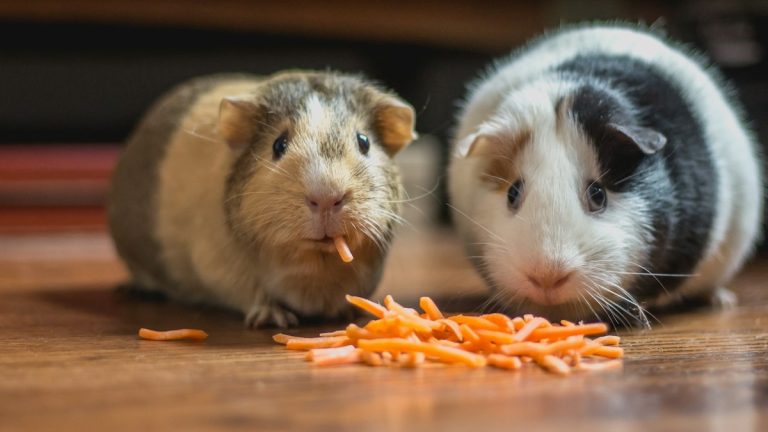
October 6, 2026
Guinea Pig Cage Size And Setup: What They Really Need
How much space guinea pigs really need, plus practical advice on bedding, hides, cage location and cleaning to keep them healthy and content.
Read article →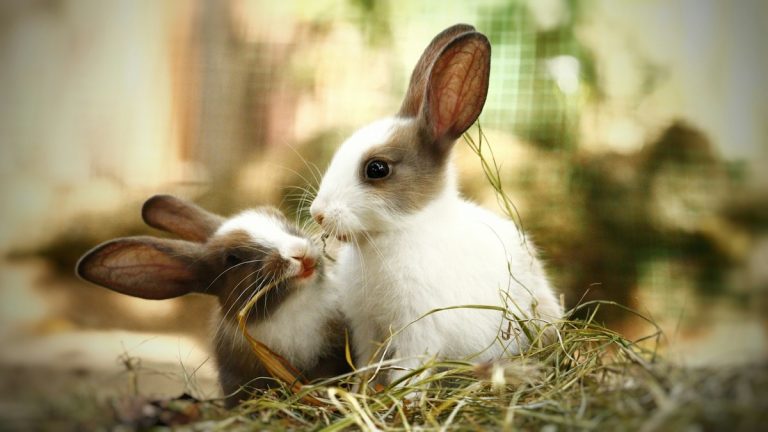
October 5, 2026
What Do Rabbits Eat? A Complete Guide To A Healthy Rabbit Diet
Hay, fresh greens, a few pellets and clean water: a practical guide to what rabbits eat, how much to offer and which foods to…
Read article →This is general educational information. For individual health questions, speak with a qualified veterinarian. Explore all pet care topics →