
On this page
THE EXOTIC PETS CARE HUB
Hedgehogs, ferrets, sugar gliders, chinchillas and other less common companions each have very particular needs.
What This Hub Covers
“Exotic pet” is a loose term for animals that are less commonly kept and whose needs are often less widely understood, such as African pygmy hedgehogs, ferrets, sugar gliders and chinchillas. Each has very specific requirements for diet, temperature, social contact and daily rhythm, and getting these wrong is one of the most common reasons exotic pets become unwell. This hub helps you think through whether an exotic animal suits you, what good basic care looks like, and when to involve a specialist vet.
Is An Exotic Pet Right For You?
Check The Law First
Rules on keeping exotic animals vary widely between countries, regions and even local councils. Some species need a licence or permit, some are banned outright, and others are covered by rules on import, sale or international trade. Tenancy agreements may restrict them too. Check the current rules where you live, and ask the seller or rescue for any paperwork, before you commit.
Ask The Welfare Questions Honestly
- Can you meet its social needs? Sugar gliders are highly social and should not live alone, while adult hedgehogs are usually kept singly.
- Does its daily rhythm suit yours? Several exotics are active at night and can be noisy while you sleep.
- Can you find a vet? Not every practice treats exotic species. Locate one before you bring an animal home.
- Can you commit for its whole life? Lifespans range from a few years to well over a decade; chinchillas, for example, are often quoted as living into their teens.
- Who will care for it when you are away? Ordinary pet sitters may not know how to look after an exotic animal.
- Where has it come from? Choose a reputable breeder or a rescue, avoid impulse purchases and be wary of any seller who cannot answer basic care questions.
Common Exotic Pets At A Glance
| Species | Most active | Social needs | Diet basics | Key care point |
|---|---|---|---|---|
| African pygmy hedgehog | Night | Adults usually housed alone | Insect-eater: a suitable complete diet plus some live insects | Needs consistent warmth and a large solid-surfaced wheel |
| Ferret | Bursts of activity between long sleeps | Usually happier with ferret company | Strict carnivore: high-protein, meat-based diet | Determined escape artists that need a safe, ferret-proofed space |
| Sugar glider | Night | Highly social; should not be kept alone | Specialised omnivore whose diet is easy to get wrong | Needs a tall enclosure for climbing and gliding |
| Chinchilla | Dusk and night | Often kept in compatible pairs | Herbivore: unlimited hay, plain pellets, very few treats | Overheats easily; uses dust baths, not water baths |
Some of these animals also appear in our small pets hub, which covers rabbits, guinea pigs and rodents.
Essential Equipment Checklist
- An enclosure sized for the adult animal’s activity level, not its size as a baby
- A thermometer, plus heating or cooling to keep the room within the species’ safe range
- A species-correct diet, sourced before the animal arrives
- Hides, nest boxes or sleeping pouches suited to the species
- Safe enrichment: wheels, tunnels, climbing branches or digging areas as appropriate
- A water bottle and a heavy bowl, so there is a back-up if one fails
- A secure carrier for vet visits
- Kitchen scales for regular weight checks
- Your exotics vet’s details and an out-of-hours number
Housing And Environment
Temperature is where exotic species differ most. Hedgehogs need consistent warmth and can become dangerously sluggish if they get too cold, while chinchillas have very dense fur and struggle in heat. Place enclosures away from direct sun, radiators and draughts, and monitor temperature rather than guessing.
Respect their daily rhythm, too. Nocturnal animals need a quiet, dim place to sleep during the day, so a busy family room or a child’s bedroom is rarely ideal. Many exotics chew, climb or squeeze through small gaps, so check cables, gaps behind furniture and any toxic houseplants before supervised time out of the enclosure.
Food And Water
- Feed a diet designed for that species. General “small animal” mixes or another species’ food can cause serious problems.
- Make changes gradually, over a week or two, to avoid upsetting the digestive system.
- Keep treats small and occasional. Sugary foods are a common cause of weight gain and dental problems.
- Provide fresh water every day and check that bottles are actually flowing.
- Weigh your pet regularly; a gradual change is often the first sign that something is wrong.
Behaviour, Handling And Enrichment
Trust takes time. Hedgehogs may huff and roll into a ball when unsure, ferrets often nip during play while young, and chinchillas usually dislike being restrained and can shed patches of fur if gripped. Handle calmly, close to the ground, and let the animal come to you where possible. Sugar gliders often bond through gentle, regular contact at times when they are naturally awake.
Enrichment should match natural behaviour: foraging and digging for hedgehogs, tunnels and play for ferrets, climbing and gliding for sugar gliders, and dust bathing and jumping for chinchillas.
A Simple Care Routine
- Daily: feed, refresh water, check temperature, spot-clean, and watch your pet eat and move.
- Weekly: weigh, deep-clean food and water equipment, wash bedding or pouches, and rotate toys.
- Monthly: full enclosure clean, check nails and teeth, inspect the enclosure for wear and review your notes.
- Yearly: a health check with an exotics vet, plus any preventive care your vet recommends for the species.
Life Stages
Young exotic animals are often more nervous and more energetic, and they need patient, regular handling to settle. Adults should be kept at a steady weight. As they age, many species become less agile, so lower ramps, easier access to food and water, and more frequent health checks can help.
Signs Worth Discussing With A Vet
- Eating less or stopping eating; in chinchillas, reduced or absent droppings needs prompt attention
- Weight loss or a sudden change in weight
- Hair or quill loss, scabs or itching
- Laboured breathing, sneezing or discharge from the eyes or nose
- Diarrhoea, or changes in droppings or urine
- Wobbliness, weakness in the legs or reluctance to move
- Lumps, swellings or overgrown teeth
- In chinchillas, signs of overheating such as lying stretched out or red ears
Always consult a vet experienced with your particular species; general advice can differ a great deal from what an exotic animal actually needs.
Frequently Asked Questions
Do I Need A Licence To Keep An Exotic Pet?
It depends on the species and on where you live. Many common exotics need no licence, but some do and some are prohibited, so check with your local authority first.
Can Exotic Pets Live With Dogs And Cats?
Many exotics are prey animals and can be badly stressed or injured by dogs or cats. Keep them securely separated and supervise any shared space. See our dog and cat hubs for managing multi-pet homes.
Are Exotic Pets Good For Children?
Most are better suited to adults, because of specialist care, nocturnal habits and sensitivity to handling. Children can help with care under supervision.
What Should I Do If I Can No Longer Care For My Pet?
Contact a specialist rescue or your vet for advice. Never release an exotic animal outdoors; it is unlikely to survive and may harm local wildlife. Our pet care guides have more general advice.
Latest Exotic Pets Articles
October 6, 2026
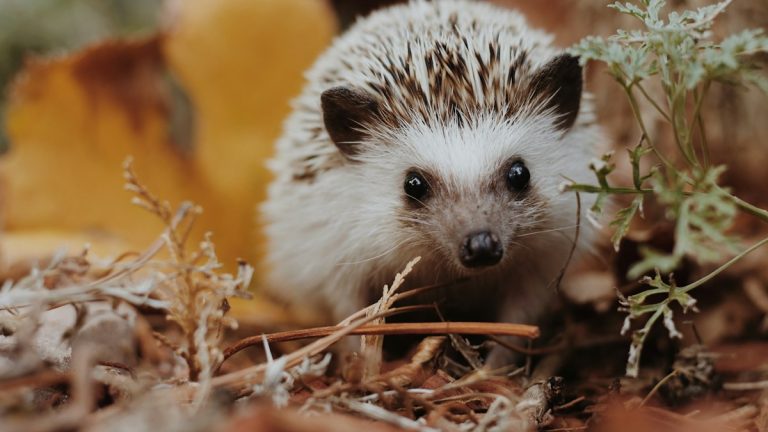
Keeping A Pet Hedgehog: What To Know Before You Commit
Pet hedgehog care explained: legal checks, warmth, housing, diet and handling for African pygmy hedgehogs, so you can decide if one suits you.
Read article →This is general educational information. For individual health questions, speak with a qualified veterinarian. Explore all pet care topics →