
On this page
THE FARM ANIMALS CARE HUB
Backyard flocks and smallholdings bring daily responsibilities, from secure housing to local rules.
Is A Smallholding Animal Right For You?
Keeping a few hens in the garden or a pair of goats on a paddock can be hugely rewarding, but farm animals are working commitments rather than casual pets. They need daily care in every season, secure housing that keeps predators out, and a plan for the years ahead. Many are also covered by rules that pets are not. This hub brings together the basics for backyard chickens, ducks, goats, sheep, pigs and cows, and points you towards our more detailed guides.
Before You Start
- Time: poultry need letting out and shutting in every day, and grazing animals need checking at least twice daily. Think about dark winter mornings, not just summer evenings.
- Space and land: goats, sheep, pigs and cows need proper grazing or a well-managed yard, and the ground needs rest so it does not turn to mud or build up parasites.
- Costs: budget for housing, fencing, feed, bedding, routine foot and health care, and an emergency fund for vet visits. Larger animals cost more in every category.
- Rules and registration: in many countries, livestock (and sometimes even small poultry flocks) must be registered, identified or recorded when moved. Pigs, sheep, goats and cattle often have strict movement and feeding rules. Check with your local agricultural or animal health authority before you bring any animals home.
- Neighbours and deeds: cockerels crow, pigs can smell, and some property deeds or tenancy agreements restrict livestock. A friendly conversation early on helps.
- Holiday cover: find someone confident with your species who can step in when you are away or unwell.
Essential Set-Up Checklist
- Secure, dry, well-ventilated housing sized for the number of animals you plan to keep
- Stock-proof fencing (goats are famous escape artists; foxes dig under and climb over poultry fencing)
- Clean water that cannot freeze solid or be tipped over
- Appropriate feed stored in sealed, rodent-proof bins
- Bedding such as straw or wood shavings, and a plan for muck disposal
- Basic handling kit: a catching net or crook, halters or a pen for restraint, and a first-aid box
- Contact details for a vet who treats farm animals, which is not always your usual small-animal practice
Housing And Land
Chickens And Ducks
Hens need a predator-proof coop with perches, nest boxes and good ventilation without draughts, plus a secure run. Ducks do not perch; they need a dry floor with deep bedding and access to water deep enough to dip their whole head so they can keep their eyes and nostrils clean. Lock all poultry in at dusk.
Goats And Sheep
Goats dislike rain and need a weatherproof shelter they can always reach, along with high, sturdy fencing. Sheep are hardier but still need shade, shelter from harsh weather and a handling area for routine jobs such as foot checks and shearing.
Pigs And Cows
Pigs need a dry, deeply bedded ark, room to root, and shade or a wallow in hot weather because they burn and overheat easily. Cattle need a lot of land, strong fencing and safe handling facilities; they are a serious undertaking for a first-time keeper.
Food And Water
Each species has a different digestive system, so feed is not interchangeable. Poultry do best on a complete layer or grower ration with grit and a little mixed corn as a treat. Goats are browsers and like hay, hedge cuttings and a variety of safe plants, while sheep and cows are grazers that rely mainly on good grass and hay. Pigs need a properly formulated pig ration.
A crucial point: in many places it is illegal to feed kitchen scraps or catering waste to pigs and other farmed animals because of disease risks, and some garden plants (such as yew, rhododendron and ragwort) are dangerous to livestock. Check your local rules and learn to recognise toxic plants on your land. Fresh, clean water should be available at all times.
Behaviour, Company And Enrichment
Farm animals are intelligent and social. Hens love to dust-bathe and scratch, ducks need to dabble and swim, goats climb and explore, and pigs are clever animals that need to root and forage. Give them:
- Companions of their own species, introduced gradually
- Natural behaviours to perform: dust baths, logs and platforms for goats, rooting areas for pigs
- Calm, regular handling so health checks are not stressful
- Variety, such as scattered forage or rotated paddocks
A Simple Care Routine
| How often | What to do |
|---|---|
| Daily | Check every animal is eating, moving normally and alert; refresh water; feed; collect eggs; let poultry out and lock them in at dusk; check fences and gates. |
| Weekly | Muck out or top up bedding; clean drinkers and feeders; look closely at feet, eyes, coats and feathers; check body condition by hand, not just by eye. |
| Monthly | Deep clean poultry housing and check for mites; inspect shelters and fencing for damage; review feed stores and records. |
| Seasonally | Plan foot trimming, shearing and parasite control with your vet; rotate grazing; prepare for winter water and summer shade. |
Health Watch: Signs Worth Discussing With A Vet
Many farm animals hide illness until they are quite unwell, so knowing what is normal for each individual matters. Speak to a vet experienced with farm animals if you notice:
- An animal standing apart from the group, hunched or reluctant to move
- Loss of appetite, or a ruminant (goat, sheep, cow) that has stopped chewing the cud
- A swollen left side in goats, sheep or cows, which can be an emergency
- Lameness, hot or swollen feet, or overgrown hooves
- Diarrhoea, a dirty back end, or flies around the tail area in warm weather
- Laboured breathing, coughing, nasal discharge or bubbly eyes in poultry
- A sudden drop in egg laying, soft shells or a hen sitting fluffed up
- Several animals falling ill at once, which can signal a notifiable disease that must be reported
Keep simple records of treatments and changes you notice; for livestock they are often a legal requirement.
Frequently Asked Questions
Can I Keep Chickens In An Ordinary Back Garden?
Often yes, if you have space for a secure coop and run and the garden can be rested or rotated so it does not become bare and muddy. Check your deeds, tenancy and local rules first, and remember that cockerels can upset neighbours.
Can I Keep Just One Goat Or Sheep?
It is not kind to keep a single goat or sheep. They are herd animals and become stressed and noisy on their own. Plan for at least two compatible animals.
Do I Need To Register A Small Number Of Animals?
It depends where you live and the species. Pigs, sheep, goats and cattle are commonly subject to registration and movement rules even when you keep only one or two, and some places register poultry too. Your local animal health authority can confirm what applies to you.
Will My Usual Vet See My Hens Or Goats?
Some small-animal practices will see poultry and pet goats, but many will not. It is worth finding a vet with farm-animal experience before you need one.
Thinking about other animals too? Our horses and birds hubs cover related care, and our pet care section has general guidance for every species.
Latest Farm Animals Articles
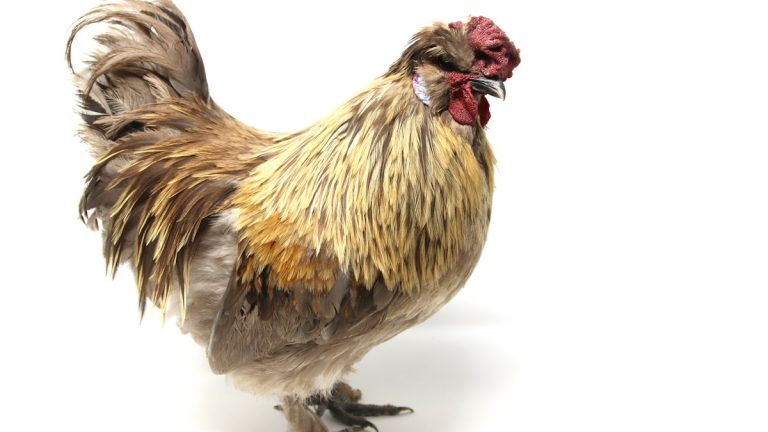
October 5, 2026
Keeping Backyard Chickens: A Beginner’s Guide To Coops, Feed And Daily Care
A practical beginner's guide to keeping backyard chickens: rules to check, coop setup, predator-proofing, feeding and a simple daily routine.
Read article →This is general educational information. For individual health questions, speak with a qualified veterinarian. Explore all pet care topics →