What Do Rabbits Eat? A Complete Guide to a Healthy Rabbit Diet
On this page
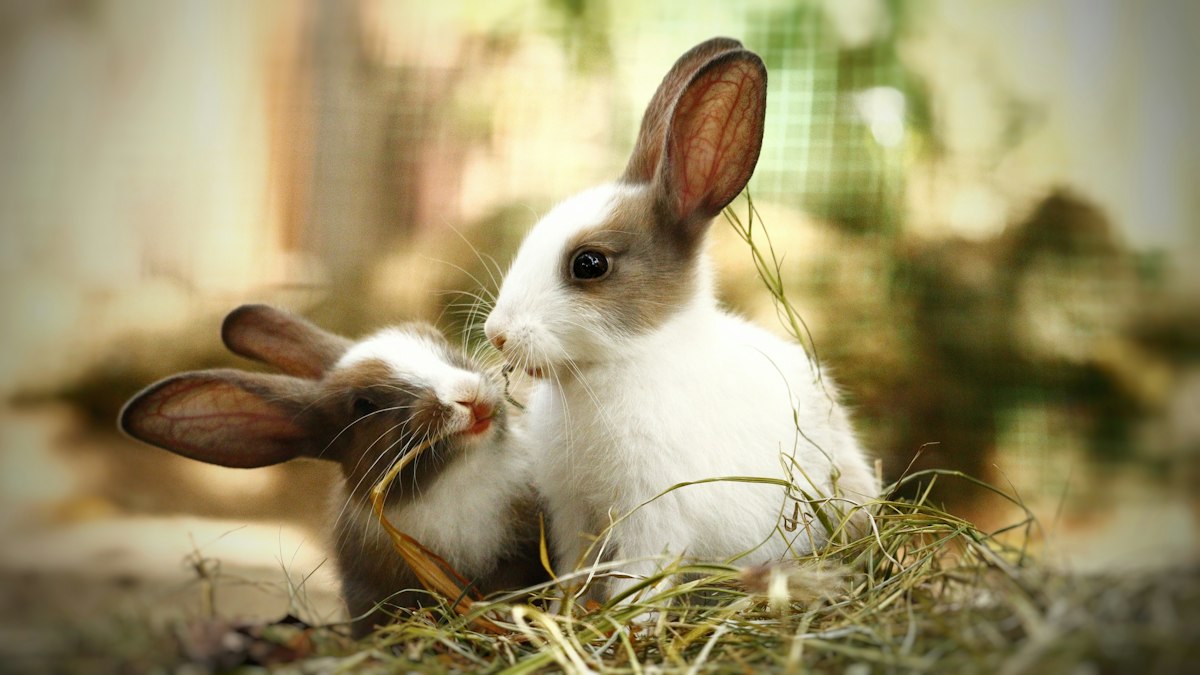
Rabbits eat mostly hay. A healthy pet rabbit should have unlimited access to good-quality grass hay every day, topped up with a portion of fresh leafy greens, a small measured amount of plain pellets and constant fresh water. Fruit, carrots and shop-bought treats are occasional extras rather than everyday food.
That sounds simple, but many rabbit health problems start with the wrong balance on the plate. This guide explains what each part of the diet does, how much to offer and which foods to avoid.
Key Points
- Hay should make up the bulk of the diet – roughly a pile the size of your rabbit, every day, and never allowed to run out.
- Fresh greens add variety and moisture – offer a mix of leafy greens and herbs daily.
- Pellets are a supplement, not a meal – a small, measured portion of plain nuggets is enough.
- Avoid muesli-style mixes, sugary treats and large amounts of fruit.
- A rabbit that stops eating or stops passing droppings needs a vet the same day.
Why Hay Matters So Much
A rabbit’s digestive system is built to process a steady supply of tough, fibrous plant material. Wild rabbits spend many hours a day grazing, and their guts are designed to keep moving all the time. Hay gives pet rabbits that same long fibre, which keeps food travelling through the gut and supports the healthy bacteria that live there.
Hay also matters for their teeth. Rabbit teeth grow continuously throughout life, and the side-to-side grinding needed to chew hay helps wear them down evenly. When rabbits eat too little hay and too much soft food, their teeth can overgrow and develop sharp edges that make eating painful.
Good options include timothy hay, meadow hay and other grass hays. Look for hay that is fresh-smelling, greenish rather than brown, and free from dust and mould. Alfalfa hay is richer in protein and calcium, so it is usually reserved for young, growing rabbits rather than adults. Place hay in more than one spot – many rabbits like to eat while they use their litter tray, so putting a generous pile beside or in the tray encourages grazing.
Fresh Greens: What And How Much
Leafy greens and herbs add moisture, nutrients and interest to the diet. A commonly used guide is an adult-sized handful of mixed greens, given once or twice a day, adjusted for the size of your rabbit. Variety is better than feeding a large amount of one thing.
Greens and herbs that most rabbits enjoy include:
- Romaine or other dark-leaf lettuces (not iceberg)
- Spring greens, kale and cabbage, in modest amounts
- Herbs such as parsley, coriander, basil, mint and dill
- Rocket, watercress and carrot tops
- Broccoli leaves and the occasional small floret
- Celery leaves and small pieces of celery stalk
Introduce new greens gradually, one at a time, over a week or two. A sudden change can upset the gut and cause soft droppings. If you notice loose droppings after adding something new, go back to the previous foods and try again more slowly.
Safe wild plants such as dandelion, plantain and clover can be offered too, as long as you are confident about identification and they come from somewhere free of pesticides, traffic fumes and dog-walking routes.
Pellets: A Small Part Of The Plate
Plain, high-fibre pellets or nuggets help cover vitamins and minerals that might be missing from hay and greens. The key word is small. Many owners overfeed pellets because they come in a bag with a scoop, and a rabbit full of pellets will eat less hay.
A typical adult rabbit needs only an egg-cup sized portion or so per day, though the right amount depends on your rabbit’s size, age and activity. Check the packet guidance and adjust with your vet’s advice. Choose a uniform pellet where every piece looks the same, rather than a colourful mix.
Why Muesli-Style Mixes Are Best Avoided
Muesli-style rabbit food contains a mix of flakes, seeds, coloured biscuits and dried pieces. Rabbits tend to pick out the tasty, sugary bits and leave the rest, which leads to an unbalanced diet. This selective feeding has been linked to dental disease, obesity and digestive problems, and many UK rabbit welfare organisations recommend moving away from these mixes entirely.
If your rabbit currently eats a muesli mix, switch gradually. Over two to four weeks, mix in increasing amounts of plain pellets while reducing the muesli, and make sure plenty of hay is always available during the change.
Treats, Fruit And Carrots
Cartoons have given carrots a reputation they do not quite deserve. Carrot roots are fairly high in sugar, so they work best as an occasional treat rather than a daily staple. The leafy tops are a better everyday option.
The same applies to fruit. A small piece of apple (without pips), a couple of blueberries or a slice of banana can be a useful training reward or a way to build trust, but keep portions tiny – think a thumbnail-sized piece rather than a whole slice. Most commercial rabbit treats, especially those containing honey, seeds or yoghurt drops, are best left on the shop shelf.
A good habit is to use part of your rabbit’s daily greens or pellets as treats. Scatter them in hay or hide them in a cardboard tube to encourage natural foraging without adding extra calories.
Foods Rabbits Should Not Eat
Some foods can make rabbits unwell. Keep the following out of reach:
- Chocolate, sweets, biscuits, bread, crackers and cereal
- Onions, leeks, garlic and chives
- Avocado
- Potatoes and potato peelings
- Rhubarb leaves and stalks
- Iceberg lettuce, which offers little nutrition and can upset digestion
- Seeds, nuts and dried beans
- Garden plants grown from bulbs, such as daffodils and tulips, along with foxglove, ivy and many houseplants
- Lawnmower clippings, which can ferment quickly and cause stomach upset
This is not a complete list. If you are not sure whether a food or plant is safe, leave it out until you have checked with a reliable source or your vet.
Water And Daily Routine
Fresh, clean water should always be available. Many rabbits drink more from a heavy ceramic bowl than from a bottle, as it feels more natural. Offering both is a sensible approach while you see which your rabbit prefers. Check water at least twice a day, especially in warm weather, and wash bowls and bottles regularly.
A simple daily routine might look like this:
| Time | What to offer |
|---|---|
| Morning | Refresh hay, half the daily greens, fresh water |
| During the day | Top up hay, scatter a few pellets for foraging |
| Evening | Remaining greens, remaining pellets, top up hay and water |
You may occasionally spot your rabbit eating soft, shiny droppings straight from their bottom. These are caecotrophs, and eating them is completely normal – it is how rabbits absorb nutrients from their food a second time. If you regularly find uneaten caecotrophs stuck to the fur or left in the hutch, the diet may be too rich, so it is worth reviewing pellet and treat amounts.
Feeding Young, Older And Overweight Rabbits
Young rabbits are still growing and usually need different feeding from adults, including a more gradual introduction to fresh greens. Keep them on the food they were weaned onto at first, and ask your vet about the best plan as they mature.
Older rabbits sometimes struggle with dental wear or arthritis, which can make eating harder. Softer, leafy hay and chopped greens may help. Watch for weight loss, which can be a sign of an underlying problem.
Overweight rabbits often benefit from fewer pellets and treats, plenty of hay and more space to exercise. Never put a rabbit on a strict diet without guidance, as eating too little can be dangerous for them. Your vet can help set a safe target weight.
When To Speak To A Vet
Rabbits are prey animals and are very good at hiding illness. Small changes in eating or toileting habits can be early warning signs. Contact a vet with rabbit experience if you notice:
- Reduced appetite, or a rabbit that has stopped eating altogether
- Fewer, smaller or no droppings
- Diarrhoea or droppings stuck around the bottom
- Drooling, wet fur on the chin, or dropping food while chewing
- Weight loss or a hunched, reluctant posture
- Teeth grinding that sounds loud, or a bloated tummy
A rabbit that has not eaten or passed droppings for several hours should be seen urgently, as gut problems can become serious quickly. This article is general information; your vet can give advice tailored to your own rabbit. For more on keeping small animals healthy, visit our small pet care hub.
Frequently Asked Questions
Can Rabbits Live On Pellets Alone?
No. A pellet-only diet does not provide enough long fibre for healthy digestion or for wearing down teeth. Hay should always be the main food, with pellets as a small extra.
Is It Safe To Give Rabbits Lettuce?
Darker leaf lettuces such as romaine are fine as part of a mixed portion of greens. Iceberg lettuce is best avoided because it has little nutritional value and can upset the gut.
How Much Hay Should A Rabbit Eat Each Day?
A common guide is a pile of hay roughly the same size as your rabbit each day. The most important thing is that hay never runs out, so top it up morning and evening.
Can Rabbits Eat Grass From The Garden?
Fresh, growing grass is a natural food for rabbits if your lawn is untreated. Let them graze it directly or offer hand-picked grass, but avoid lawnmower clippings.
Getting a rabbit’s diet right is one of the kindest things you can do for them. Keep hay at the centre, add a varied mix of greens, measure the pellets and save treats for special moments. You will find more practical guides in the care library.