Types of Dogs with Floppy Ears – Complete Breed Guide
On this page
Types of dogs with floppy ears span scent hounds like Basset Hounds, sporting dogs like Golden Retrievers, and toy companions like Cavaliers. These folded ears trap moisture, requiring regular cleaning to prevent infection.
From endearing Basset Hounds to affectionate Golden Retrievers, floppy ears are among the most iconic traits in the canine world. These folded pinnae (external ear flaps) give many popular breeds a gentle, approachable appearance that pet owners adore.
Whether you are searching for a tiny lapdog or an active hunting partner, exploring the different types of dogs with floppy ears helps you choose the right companion for your household. In this guide, we break down popular floppy-eared breeds by size and function, explain the science behind drop ears, and outline vital health routines.
Why Do Some Dog Breeds Have Floppy Ears?
Wild canids such as wolves and foxes possess erect, pointed ears that swivel to capture subtle sounds across vast distances. When humans began domesticating dogs thousands of years ago, a biological shift known as “domestication syndrome” began to alter canine anatomy.
As early breeders selected dogs for tameness and reduced adrenaline production, certain embryonic stem cells developed less robust cartilage structures. This genetic shift resulted in softer, drooping ear tissue alongside traits like spotted coats and shorter muzzles.
Beyond aesthetics, floppy ears serve a functional purpose for working scent hounds. Long, pendulous ears act like sweeping brooms, kicking up scent molecules from the ground and funneling scent particles directly toward the dog’s nostrils.
Additionally, monitoring ear movements can help owners evaluate mood and stress; learning about understanding canine body language and ear positions is essential for reading your pet’s subtle cues.
Popular Types Of Dogs With Floppy Ears By Category
Canine ear shapes vary significantly between distinct breed groups. Vets and canine registries classify drop ears into several categories, including pendulous ears, soft folded ears, and button ears.
Scent Hounds With Pendulous Drop Ears
Scent hounds feature some of the longest and most dramatic ears in the canine kingdom. Their massive ear flaps hang close to the cheeks, creating a physical barrier that helps lock in scents while tracking trails.
- Basset Hound: Famous for velvety ears that trail near the ground, these heavy-boned trackers have long captured hearts with their relaxed temperament.
- Bloodhound: Possessing an extraordinary olfactory system, the Bloodhound features long, thin, heavily folded ears that scoop up ground odors.
- Beagle: A beloved family companion, the Beagle boasts medium-length drop ears with rounded tips that frame a friendly, inquisitive expression.
Sporting Breeds With Soft Folded Ears
Sporting dogs were selectively bred to retrieve game across rugged terrain and wet fields. Their flexible, floppy ears protect the delicate inner ear canal from seeds, burrs, water, and dense brush.
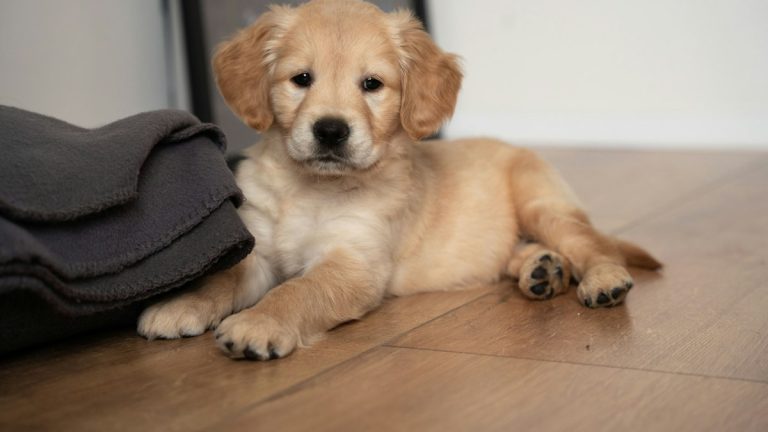
- Golden Retriever: Soft, flat ears fold over near eye level, perfectly complementing their friendly disposition and dense, water-repellent coat.
- Cocker Spaniel: Recognized by long, heavily feathered ears that hang well below the jawline, Cocker Spaniels combine athletic enthusiasm with sweet affection.
- Irish Setter: Sporting rich mahogany coats and silky, drooping ears, these energetic gun dogs thrive in active, outdoorsy households.
Many medium-sized sporting breeds with drop ears also rank among the top family-friendly medium dogs due to their gentle temperament.
Small Companion Breeds With Floppy Ears
If you prefer compact companions, many small lapdogs feature soft, flopped ears that add to their sweet demeanor. These breeds fit comfortably into apartment settings or quiet homes.
- Cavalier King Charles Spaniel: Their long, luxurious ears are covered in soft, wavy hair, framing a sweet, expressive face.
- Dachshund: Standard and miniature Dachshunds have broad drop ears set high on the head, which historically protected their ear canals while digging in badger burrows.
- Havanese: Covered in long, silky hair, the Havanese carries dropped ears that blend seamlessly into their flowing neck fur.
Breeds With Short Or “Button” Ears
Not all floppy ears hang far down the side of the head. Some breeds possess “button ears” or short drop ears that fold forward near the skull line, covering the ear orifice.
- Pug: Pugs feature small, thin ear flaps that fold forward, emphasizing their expressive facial wrinkles and dark mask.
- Jack Russell Terrier: Designed for farm work and earthdog trials, these energetic dogs have small V-shaped ears that fold forward to block dirt.
Comprehensive Comparison Of Floppy-Eared Dog Breeds
To help prospective dog owners choose the ideal companion, the table below compares popular floppy-eared breeds across key categories.
| Breed Name | Size Category | Ear Type | Average Lifespan | Grooming Needs | Infection Risk |
|---|---|---|---|---|---|
| Basset Hound | Medium/Large | Long Pendulous | 12–13 Years | Moderate | High |
| Beagle | Small/Medium | Medium Drop | 10–15 Years | Low | Moderate |
| Cocker Spaniel | Medium | Long Feathered | 10–14 Years | High | Very High |
| Golden Retriever | Large | Soft Folded | 10–12 Years | Moderate/High | Moderate |
| Pug | Toy | Button Ear | 13–15 Years | Low | Low/Moderate |
Ear Health And Infection Prevention For Dogs With Drop Ears
While floppy ears are undeniably charming, they present unique biological vulnerabilities. The physical design of a drop ear creates a warm, dark, and poorly ventilated environment inside the ear canal.
Moisture, wax, and micro-debris easily get trapped beneath heavy ear flaps. This enclosed space creates ideal conditions for yeast and bacteria to multiply, leading to an inflammation of the outer ear canal known as otitis externa.
Pro Tip: Always dry your dog’s ears thoroughly after swimming, bathing, or walking in heavy rain. Gently lift the ear flap and wipe the interior flap with a dry cotton ball. Never insert cotton swabs (Q-tips) into your dog’s ear canal, as this can pack debris deep against the delicate eardrum.
Step-By-Step Cleaning Routine
Maintaining healthy ears requires a consistent, gentle cleaning routine. Owners should inspect their dog’s ears at least once a week for signs of dirt accumulation or redness.
- Gently lift the ear flap upward to straighten the L-shaped ear canal.
- Fill the ear canal with a veterinarian-recommended liquid ear cleanser.
- Massage the cartilaginous base of the ear for 20 to 30 seconds to dissolve trapped wax and buildup.
- Step back and allow your dog to shake its head naturally to dislodge the fluid.
- Wipe away loosened debris and excess fluid from the outer flap using a clean cotton pad or gauze.
Red-Flag Symptoms Requiring Veterinary Attention
Ear infections cause severe discomfort and can become chronic if left untreated. Pet owners should watch closely for red-flag warning signs that indicate an active infection or injury.
- Frequent head shaking or violent ear scratching
- Dark brown, yellow, or bloody discharge inside the ear flap
- Strong, foul, or yeast-like odor emanating from the ear canal
- Redness, heat, or swollen tissue around the ear opening
- Whining, shying away, or showing pain when the head or ear is touched
If you observe any of these symptoms, contact your veterinarian or local emergency clinic promptly. Never administer leftover prescription ear drops or human medications without direct veterinary guidance, as doing so can damage an ulcerated ear canal or ruptured eardrum.
Grooming And Care Tips For Long-Eared Canines
Proper grooming plays a vital role in keeping ear tissues healthy, especially for long-coated dog breeds with heavy ear feathering. Thick fur behind and under the ears mats quickly, reducing airflow even further.
Regular brushing prevents tight mats from pulling on sensitive skin. Using a slicker brush combined with a metal comb ensures that long ear coat hairs remain free of tangles and foreign burrs.
Common Mistake: Plucking internal ear hair without medical justification. While some groomers routinely pull hair from ear canals, unneeded plucking can tear delicate tissue, leaving open wounds susceptible to bacterial infection. Consult your veterinarian before authorizing ear hair plucking.
For breeds with exceptionally long ears like Basset Hounds or Cocker Spaniels, feeding routines require slight adjustments. Using narrow, deep dog bowls (often called spaniel bowls) helps keep long ear tips from trailing into wet food or drinking water.
FAQs About Dogs With Floppy Ears
What Dog Breeds Have The Longest Floppy Ears?
The Basset Hound and the Bloodhound hold the record for the longest, most pendulous ears in the canine world. Spaniel breeds, such as the English Cocker Spaniel and Sussex Spaniel, also feature exceptionally long, heavily coated ears.
Are Floppy Ears Natural For Wild Dogs?
No, wild canids like wolves, coyotes, and dingoes feature upright, pointed ears that maximize hearing efficiency. Floppy ears are a direct result of selective breeding during human domestication.
How Often Should I Clean My Dog’s Floppy Ears?
Most floppy-eared dogs benefit from ear cleaning once every one to two weeks. However, dogs that swim frequently or have a history of chronic ear infections may require a specialized schedule prescribed by their veterinarian.
Can A Puppy’s Floppy Ears Turn Into Prick Ears?
Some mixed-breed puppies or breeds with semi-erect ears (like German Shepherds or French Bulldogs) start life with floppy ears that stand upright as cartilage hardens during teething. However, true drop-eared breeds maintain floppy ears throughout their lives.
Final Thoughts On Caring For Floppy-Eared Dogs
Choosing among the diverse types of dogs with floppy ears brings endless joy, whether you select a high-energy hunter or a gentle couch companion. By staying proactive with routine cleaning, thorough drying, and regular grooming, you can keep your pet’s ears clean, comfortable, and infection-free.
Please note that this article is for general informational purposes only and does not replace a comprehensive physical examination by your veterinarian.