
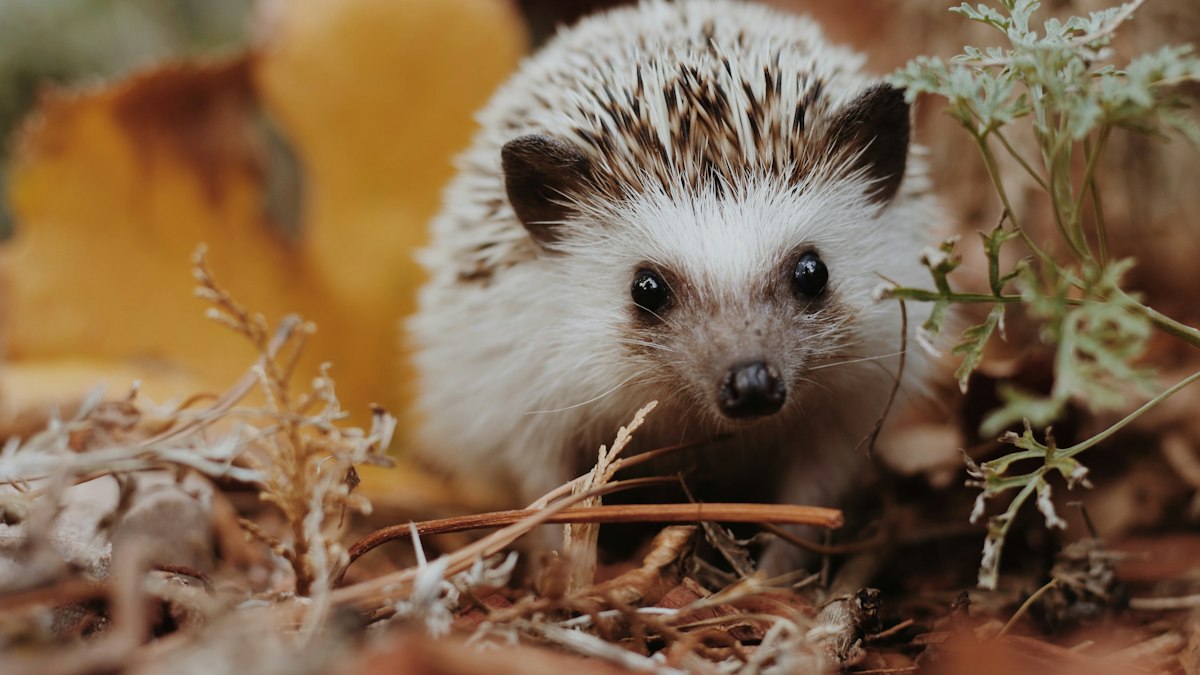
Keeping a Pet Hedgehog: What to Know Before You Commit
On this page
Pet hedgehog care is more specialised than many people expect. The hedgehogs kept as pets are African pygmy hedgehogs, which are nocturnal, solitary, need a consistently warm home and a large enclosure, and do best with an owner who is happy to work around their night-time routine. Before you commit, check that keeping one is legal where you live and that there is a vet nearby who treats exotic pets.
Key Points
- Pet hedgehogs are African pygmy hedgehogs, not the wild hedgehogs seen in gardens. Wild hedgehogs must never be taken in as pets.
- Some countries, states and local areas ban hedgehogs or require a licence or permit, so check local rules first.
- They are solitary, so one hedgehog per enclosure.
- They need warmth all year round, a big enclosure, a solid-surface wheel and a carefully managed diet.
- Finding a vet with exotic pet experience before you buy is essential.
Is A Hedgehog The Right Pet For You?
Hedgehogs can be fascinating and rewarding companions, but they are not cuddly in the way a cat or rabbit can be. Many are shy or grumpy at first and will raise their spines, huff and pop when unsure. With patient, regular handling, most become more relaxed, but some will always prefer limited contact.
They are also nocturnal. Your hedgehog will sleep most of the day and become active in the evening and through the night, running on its wheel, foraging and exploring. That suits some households well and others not at all. Hedgehogs are generally not a good choice for young children, who may struggle with the spines and the need for gentle, quiet handling.
Think, too, about commitment. Pet hedgehogs often live for several years, and they need daily care, a warm home and specialist vet attention for all of that time.
Legal Checks And Wild Hedgehogs
Rules on keeping hedgehogs vary widely. Some countries, states and cities ban them outright, while others allow them only with a licence or permit. Check with your local authority or the relevant government department before you buy, and keep any paperwork from the breeder.
It is equally important to understand the difference between a pet hedgehog and a wild one. Wild hedgehogs, such as those found in British gardens, are wild animals and must not be kept as pets. In many places they are protected. If you find a wild hedgehog that seems ill, injured, or is out during the day, contact a local wildlife rescue for advice rather than trying to keep it. Pet hedgehogs, likewise, must never be released outdoors.
Housing And Enclosure Set-Up
Hedgehogs are active at night and can cover a lot of ground, so the enclosure should be as large as you can manage. A good set-up includes:
- A large, secure enclosure with a solid floor and good ventilation. Hedgehogs can climb and escape, so sides should be smooth and high enough, or the top secure. Avoid wire floors and multi-level cages with drops, as hedgehogs have poor eyesight and can fall.
- A solid-surface exercise wheel large enough that your hedgehog can run with a straight back. Wire or rung wheels can trap and injure feet.
- At least one hide, such as a covered house or fleece pouch, for sleeping during the day.
- Safe bedding, such as paper-based bedding or washable fleece liners. Avoid aromatic wood shavings like cedar and pine.
- Shallow, heavy bowls for food and water, or a water bottle if your hedgehog uses one reliably.
- A litter tray in a corner, often near or under the wheel, as many hedgehogs toilet while running.
Place the enclosure in a quiet room away from draughts, direct sunlight and loud daytime noise. Remember that a running wheel at night can be noisy, so a bedroom may not be ideal.
Temperature And Light
African pygmy hedgehogs come from warm climates and do not cope well with cold. If they get too cold they may try to hibernate, which is dangerous for this species. Signs include a hedgehog that is cold to the touch, sluggish, wobbly or unresponsive.
Aim to keep the enclosure consistently warm, in the low to mid twenties Celsius, and avoid sudden drops. In cooler homes this usually means a thermostatically controlled heat source designed for pets, such as a ceramic heat emitter, fitted so your hedgehog cannot touch it, with a thermometer to check the temperature. Avoid heat mats or lamps without a thermostat, which can overheat.
A regular light and dark cycle helps keep your hedgehog’s body clock steady. Natural daylight in the room, or a timed light during the day, usually works well. If you suspect your hedgehog is too cold, warm it gently, for example against your body, and contact a vet straight away.
Diet And Feeding
In the wild, African hedgehogs eat mostly insects, along with other small invertebrates. Pet hedgehogs need a diet high in protein and relatively low in fat, and many are prone to becoming overweight.
- Main diet: a good-quality complete food formulated for hedgehogs, or one your exotic vet recommends.
- Insects: live or prepared insects such as crickets and calciworms, offered as part of the diet. Mealworms and waxworms are high in fat and best used as occasional treats.
- Extras: small amounts of plain cooked lean meat or egg, and tiny pieces of suitable vegetables or fruit, can add variety.
- Avoid: milk and dairy, grapes and raisins, avocado, onion, garlic, chocolate, nuts, seeds, and anything sugary, salty or processed.
Feed in the evening, when your hedgehog wakes, and remove uneaten fresh food in the morning. Weighing your hedgehog weekly on kitchen scales is a simple way to spot weight gain or loss early.
Handling And Daily Routine
Handle your hedgehog daily in the evening, when it is naturally awake. Scoop it up from underneath with both hands rather than grabbing from above, which can feel like a predator. A fleece blanket or snuggle bag can make the first handling sessions easier for both of you.
Be patient. Huffing, popping and raised spines are normal signs of a hedgehog feeling unsure. Sit quietly and let it uncurl and sniff you. Over time, most learn to recognise their owner’s scent.
A few other normal behaviours can surprise new owners:
- Self-anointing: when it meets a new smell, a hedgehog may lick and chew it, produce frothy saliva and spread it onto its spines. This looks odd but is normal.
- Quilling: young hedgehogs shed baby spines as adult ones grow in, and may be more sensitive and grumpy during this time.
Daily tasks include spot-cleaning the enclosure and wheel, refreshing water, checking the temperature and offering food. Wash fleece liners and do a full clean regularly.
Hygiene And Health Basics
Like many pets, hedgehogs can carry bacteria such as salmonella without appearing ill. Wash your hands after handling your hedgehog or cleaning its enclosure, and supervise children closely.
Hedgehogs tend to hide illness, so get to know what is normal for yours: its weight, appetite, droppings and activity level. Nails need regular checking and trimming, and the inside of the mouth, the skin and the spines are worth looking at during handling. Find a vet with exotic pet experience before you bring a hedgehog home, as not every practice treats them. For general advice on other species, see our exotic pets hub.
When To Speak To A Vet
Contact a vet with exotic animal experience promptly if your hedgehog shows any of the following:
- Not eating, or a sudden drop in activity or wheel running
- Weight loss, or a hedgehog that feels cold, sluggish or floppy
- Wobbling, falling over, dragging legs or difficulty walking
- Diarrhoea, green or bloody droppings, or no droppings
- Heavy spine loss with crusty or flaky skin, or constant scratching
- Lumps or swellings, discharge from eyes or nose, or noisy breathing
- Drooling, bad breath or difficulty eating
This article is general information only. A qualified veterinarian should assess any concerns about your individual hedgehog.
Frequently Asked Questions
Can I Keep Two Hedgehogs Together?
Generally no. Hedgehogs are solitary and may fight if housed together, and mixed pairs will breed. Each hedgehog should have its own enclosure.
Do Pet Hedgehogs Smell?
A healthy hedgehog has little odour, but the enclosure and wheel can smell if not cleaned often. Daily spot-cleaning and a regular full clean usually keep this under control.
Can A Pet Hedgehog Live Outside?
No. African pygmy hedgehogs need a warm, stable indoor environment, and cold temperatures can make them seriously unwell.
Is It Legal To Keep A Hedgehog As A Pet?
It depends where you live. Some places ban them or require a permit, so check with your local authority before buying.
A pet hedgehog can be a delightful, quirky companion for the right household, provided you can offer warmth, space, a careful diet and patience. Do your research first, and browse the care library for more guides on keeping pets well.