How Much Exercise Does a Dog Need? A Guide by Age, Breed and Energy Level
On this page
Most healthy adult dogs need somewhere between 30 minutes and two hours of activity a day, but the right amount for your dog depends on their age, breed, build and personality. A young working-breed dog may need far more than an older toy breed, and puppies and seniors need shorter, gentler sessions. This guide explains how to judge what suits your dog and how to tell when you have the balance right.
Key Points
- Exercise needs vary widely: energy level and breed type matter more than size alone.
- Puppies need short, frequent bursts of play rather than long, forced walks.
- Senior dogs still benefit from daily movement, just at a slower pace and in shorter sessions.
- Mental exercise, such as sniffing, training and puzzle feeders, counts towards a tired, contented dog.
- Changes in stamina, limping or reluctance to walk are worth discussing with your vet.
Why Exercise Matters For Dogs
Regular exercise helps keep a dog at a healthy weight, supports strong muscles and joints, and keeps the heart and lungs working well. Just as importantly, it gives dogs an outlet for natural behaviours such as sniffing, exploring, chasing and playing.
A dog who does not get enough activity often finds their own entertainment. That can look like chewing furniture, digging, barking at every noise, pulling hard on the lead or struggling to settle in the evening. Many so-called behaviour problems ease noticeably once a dog’s daily routine includes the right mix of physical and mental exercise.
Exercise is also time spent together. Walks, games and training sessions build the bond between you and your dog and help them feel confident in the wider world.
How Much Exercise Does A Dog Need By Age?
Puppies
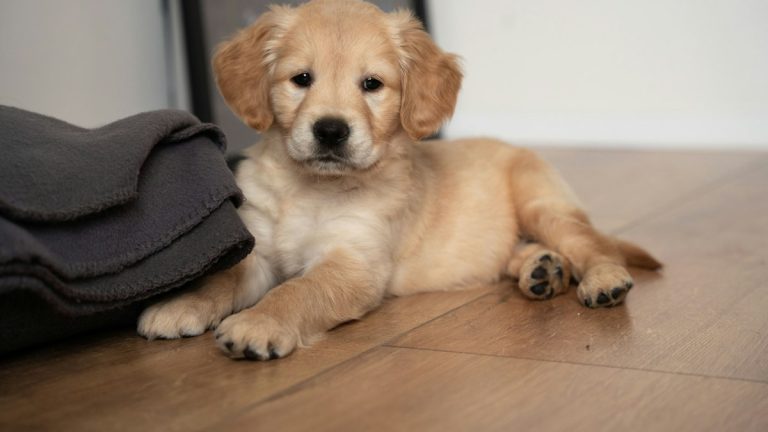
Puppies are full of energy but tire quickly, and their bones and joints are still developing. Rather than long walks, they do best with several short play sessions spread through the day, plenty of chances to explore safely, and lots of sleep in between. Gentle lead walks can be built up gradually as they grow.
Avoid repetitive, high-impact activity such as long runs, jumping from heights or endless ball chasing while your puppy is still growing. Large and giant breeds often take longer to mature, so ask your vet when it is sensible to increase the length and intensity of walks for your individual puppy.
Adult Dogs
Once fully grown, most dogs can enjoy a proper daily routine. As a rough guide, many adult dogs are happy with one to two walks a day plus some play, but high-energy breeds may need considerably more. The best measure is your dog: a well-exercised adult dog is usually relaxed at home, settles easily after walks and is not restless or destructive.
Senior Dogs
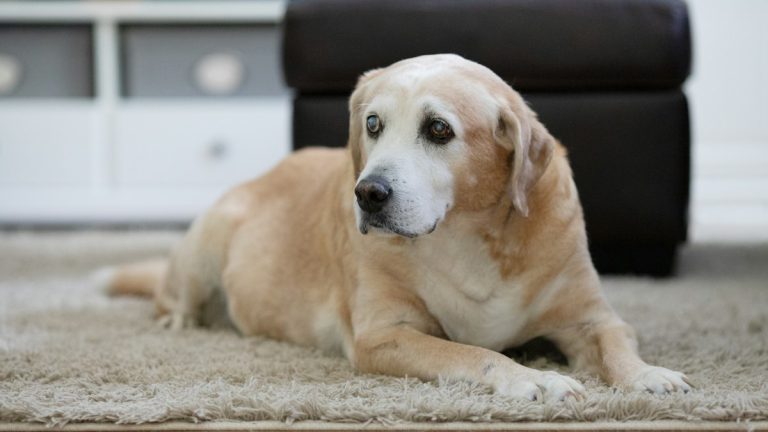
Older dogs often slow down, but they still need daily movement to keep their joints supple, their weight steady and their minds engaged. Two or three shorter walks are often more comfortable than one long one. Let your dog set the pace and watch for signs that they are tiring sooner than they used to.
How Breed And Energy Level Change Things
Breed gives a helpful starting point because many breeds were developed for particular jobs. Their original purpose still shapes how much stamina and drive they have today.
| Energy type | Examples | Typical daily needs |
|---|---|---|
| High energy / working | Border Collies, Springer Spaniels, Vizslas, Malinois | Long walks or runs plus training, scent games or other jobs to do |
| Moderate energy | Labradors, Beagles, Staffordshire Bull Terriers, Cocker Spaniels | One to two good walks with off-lead play where safe |
| Lower energy | Basset Hounds, Shih Tzus, Cavalier King Charles Spaniels | Shorter, steadier walks with gentle play |
| Brachycephalic (flat-faced) | Pugs, French Bulldogs, English Bulldogs | Short, calm walks in cool conditions, avoiding over-exertion |
Treat these groups as a guide rather than a rule. Individual dogs vary a great deal, and crossbreeds can inherit any combination of traits. A laid-back Labrador and a busy, driven one may need quite different routines.
Flat-faced breeds deserve special care. Their airways can make breathing harder during exertion and in warm weather, so keep walks gentle, avoid the hottest part of the day and stop for rests often.
Signs Your Dog Is Getting The Right Amount
Instead of chasing a fixed number of minutes, look at how your dog behaves. Signs that the balance is about right include:
- Your dog settles and rests well after exercise.
- They stay at a healthy, steady weight with a visible waist.
- They are keen to go out but not frantic.
- They recover their normal breathing fairly quickly after activity.
- There is little restless pacing, nuisance barking or destructive chewing at home.
Signs of too little exercise include weight gain, restlessness, attention-seeking and boredom behaviours. Signs of too much can include stiffness the next day, sore or worn paw pads, lagging behind on walks or being unusually flat and sleepy. If you see these, scale back and build up more gradually.
Mental Exercise Counts Too
A dog’s brain needs a workout as well as their legs. Ten minutes of sniffing or training can tire a dog surprisingly well, and it is especially useful for puppies, seniors, dogs on restricted exercise and days when the weather keeps you indoors.
- Sniff walks: let your dog slow down and explore smells at their own pace.
- Scatter feeding: scatter part of their meal on the grass or a snuffle mat.
- Puzzle feeders: food toys that make your dog work out how to get the reward.
- Short training sessions: practise recall, settle or new tricks for a few minutes at a time.
- Hide and seek: hide a toy or treats around the house for your dog to find.
Building A Safe And Varied Routine
Variety keeps exercise interesting and spreads the load on your dog’s body. A good week might include steady lead walks, off-lead running in a safe area, some sniffing time and a few short training games. Here are some practical points to keep in mind:
- Warm up and cool down. Start and finish walks at a gentle pace, particularly before running or ball games.
- Build up gradually. If your dog has been less active, increase distance and intensity slowly over a few weeks.
- Watch the weather. In hot weather, walk early in the morning or late in the evening, carry water and check pavement temperature with the back of your hand. In cold, wet weather, dry your dog off afterwards and consider a coat for thin-coated or older dogs.
- Mind repetitive chasing. Endless ball throwing can encourage sudden twists and stops. Mix it with other games and keep sessions short.
- Allow time after meals. Many owners leave a gap between a large meal and vigorous exercise; ask your vet for advice for your dog, particularly for deep-chested breeds.
- Use a safe space for off-lead play. Only let your dog off lead where it is permitted and safe, and once their recall is reliable.
Exercising Dogs With Extra Considerations
Some dogs need a more tailored plan. Overweight dogs benefit from extra activity, but it should be introduced slowly, with low-impact options such as steady walks on soft ground. Dogs recovering from illness or surgery should follow the exercise plan their vet gives them, even if they seem keen to do more.
Dogs with joint stiffness often cope better with little and often, and some enjoy controlled swimming or hydrotherapy where a vet has said it is suitable. Nervous or reactive dogs may find busy parks overwhelming, so quieter routes and times can make walks more enjoyable for everyone. You can find more practical guides in our dog care hub.
When To Speak To A Vet
Contact your vet if you notice any of the following during or after exercise:
- Limping, stiffness or reluctance to walk, jump or climb stairs.
- Heavy panting or noisy breathing that does not settle with rest.
- Coughing, collapse, wobbliness or unusual weakness.
- A sudden drop in stamina or a dog who no longer wants to go out.
- Gums that look pale, blue or grey.
- Signs of overheating, such as heavy panting, drooling or confusion. Move your dog somewhere cool and contact a vet straight away.
It is also sensible to check with your vet before starting a new, more demanding routine, such as running with your dog or canicross, especially for puppies, older dogs and breeds prone to joint or breathing problems.
Frequently Asked Questions
Is One Walk A Day Enough For A Dog?
For some lower-energy or older dogs, one good walk plus play and mental enrichment at home may be enough. Most dogs, though, are happier with at least two outings a day. Watch how settled your dog is to judge whether they need more.
Can A Dog Get Too Much Exercise?
Yes. Too much, too soon can lead to sore pads, muscle strain and exhaustion, and young dogs can put extra stress on growing joints. Build up gradually and give your dog rest days when they seem tired.
Does Playing In The Garden Count As Exercise?
Garden play is useful, but most dogs still benefit from walks away from home. New places, smells and sights provide the mental stimulation a familiar garden cannot.
How Do I Exercise My Dog On Rainy Or Very Hot Days?
Swap some walking time for indoor games such as hide and seek, puzzle feeders and short training sessions. On hot days, keep walks short and in the coolest part of the day.
Every dog is different, so the best exercise routine is one that fits your dog’s age, breed and personality and leaves them calm and contented at home. Start with the guidance above, adjust as you learn what your dog enjoys, and explore the care library for more everyday pet care advice.