How Many Litter Trays Do You Need? Setting Up a Litter Box Cats Will Use
On this page
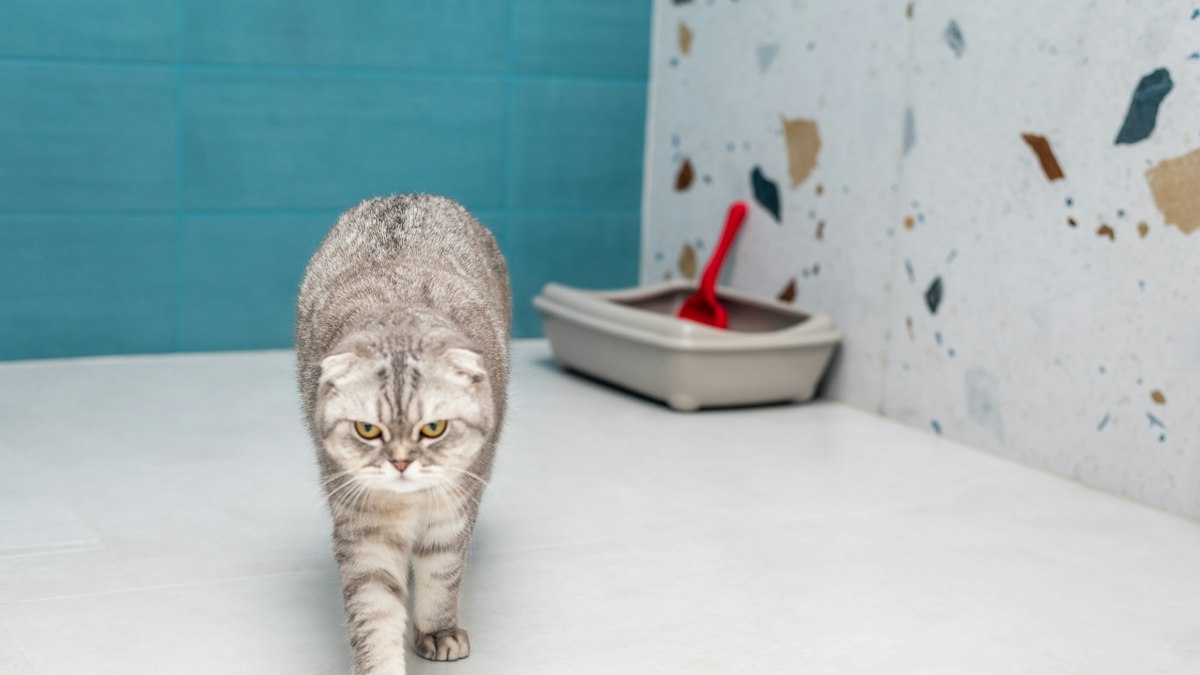
The usual rule of thumb is one litter tray per cat, plus one extra, placed in different parts of the home. So a single cat should ideally have two trays, and two cats should have three. Getting the number, position and type of tray right is one of the simplest ways to prevent toileting problems before they start.
Key Points
- Aim for one tray per cat plus one spare, spread across separate locations rather than lined up together.
- Trays should be large, easy to get into, and placed somewhere quiet, away from food and water.
- Most cats prefer an unscented, fine-grained litter, scooped at least once a day.
- A cat that stops using its tray may be telling you something about its health or its environment.
- Straining or producing little or no urine is an emergency, particularly in male cats.
Why The “one Per Cat Plus One” Rule Works
Cats are particular about where they go to the toilet. Outdoors, a cat would choose a quiet spot with loose soil, away from where it eats and sleeps, and would rarely have to queue. Indoors, we decide all of that for them.
Having more trays than cats means there is always a clean option available, even if one has just been used. It also matters in homes with more than one cat. Cats that live together are not always friends, and one cat can block another’s access to a tray simply by sitting in a doorway. Several trays in different places give every cat a way to reach one without a confrontation.
Two trays side by side count as one location as far as many cats are concerned. If you have the space, put them in different rooms or on different floors.
Choosing The Right Tray
Size
Most commercial trays are smaller than cats would choose. A good guide is that the tray should be around one and a half times the length of your cat from nose to base of tail, so it can turn round and dig comfortably. Large plastic storage boxes, with an entrance cut low in one side, make good budget trays for bigger cats.
Covered Or Open?
Covered trays keep litter in and smells out of the room, which many owners like. Some cats feel safe in them; others dislike being enclosed, or find the trapped smell off-putting. If you are unsure, offer one of each and see which your cat prefers. If you use a hood, remove any flap door at first while your cat gets used to it.
Easy Access
Kittens, older cats and cats with stiff joints need a low entrance. A high-sided tray that is easy for a young adult to hop into can become a barrier for a senior cat. Top-entry trays look tidy but are not suitable for many cats.
Picking A Litter
Litter comes in clumping clay, non-clumping clay, wood or paper pellets, silica crystals and plant-based options such as corn or wheat. There is no single best type, but there are some useful principles:
- Texture: many cats prefer a soft, fine, sand-like litter that is easy to dig in.
- Scent: cats have a far stronger sense of smell than we do. Perfumed litters and deodorising powders can put them off.
- Depth: around 3 to 5 cm of litter gives enough to dig and cover without being too deep to walk through comfortably.
- Consistency: once your cat is happy with a litter, stick with it. If you need to change, mix the new type in gradually over a week or two.
If you have adopted a cat or kitten, ask what litter it was used to and start with the same type.
Where To Put Litter Trays
Location matters as much as the tray itself. Look for spots that are:
- Quiet: away from washing machines, boilers and busy hallways where your cat could be startled mid-use.
- Private but not trapped: a corner is fine, but your cat should be able to see who is approaching and leave easily.
- Away from food and water: cats do not like to eat near where they toilet. Keep bowls in a different area, ideally a different room.
- Not next to a cat flap or glass door: seeing other cats outside can make a cat feel exposed.
- Reachable: in a house with stairs, have at least one tray on each floor, especially for older cats.
Once a tray is in place, avoid moving it suddenly. If you must, move it a short distance at a time, or put a new tray in the new spot before taking the old one away.
Keeping Trays Clean
A dirty tray is one of the most common reasons a cat goes elsewhere. A simple routine looks like this:
| How often | Task |
|---|---|
| Once or twice daily | Scoop out clumps and solids; top up litter |
| Weekly (clumping litter) or more often (non-clumping) | Empty the tray completely and refill with fresh litter |
| At each full change | Wash the tray with hot water and a mild, unscented detergent; rinse and dry well |
| Every so often | Replace trays that are deeply scratched, as scratches hold odour |
Avoid strong disinfectants, especially those containing phenols or that turn cloudy in water, as some are harmful to cats. Wear gloves when cleaning trays and wash your hands afterwards. Pregnant people should ideally ask someone else to do this job, or take extra care with hygiene, because of the small risk of toxoplasmosis.
Setting Up For A New Cat Or Kitten
When a new cat arrives, place a tray in the room where it will spend its first few days, along with food, water, a bed and a hiding place. Show your cat the tray after meals and after waking, but do not place it in the tray or force it to stay. Once it is using that tray reliably and exploring the rest of the home, add the other trays in their permanent positions.
Kittens have small bladders and less warning time, so make sure a tray is never far away while they are young. For more on caring for cats at every age, visit our cat care hub.
If Your Cat Stops Using The Tray
Toileting outside the tray is not spite or naughtiness. It is usually a sign that something is wrong with the cat’s health, the tray set-up, or the cat’s sense of security. Work through the possibilities calmly:
- Rule out illness first. Urinary problems, digestive upsets, arthritis and other conditions can all make the tray uncomfortable or hard to reach. A vet check is the right starting point.
- Look at the tray itself. Has the litter, tray type, location or cleaning product changed? Is it clean enough?
- Consider stress. New people or pets, building work, a house move, or tension between cats can all play a part.
- Clean soiled areas properly. Use an enzyme-based cleaner designed for pet accidents. Ammonia-based cleaners can smell like urine to a cat and encourage it to go there again.
Never punish a cat for an accident. It does not help the cat understand what you want, and the extra stress can make the problem worse.
When To Speak To A Vet
Changes around the litter tray are often the first sign that a cat is unwell. Contact a vet promptly if you notice:
- Straining in the tray, or repeated visits that produce little or no urine. This is an emergency, especially in male cats, as a blocked bladder can become life-threatening quickly.
- Blood in the urine, or urine that looks very dark or cloudy
- Crying out or showing discomfort while passing urine or faeces
- Diarrhoea lasting more than a day or so, or constipation
- A sudden increase in how much your cat drinks or urinates
- Toileting in unusual places, especially on soft surfaces or in the bath or sink
This guide offers general information only. A qualified veterinarian can examine your cat and advise on its specific situation.
Frequently Asked Questions
Can Two Cats Share One Litter Tray?
Some do, but it is not ideal. Sharing can lead to a dirty tray, and one cat may guard access. Three trays in separate places is a safer set-up for two cats.
Do Indoor-Outdoor Cats Still Need A Litter Tray?
Yes, it is wise to keep at least one indoors. Bad weather, illness, old age or a neighbouring cat can all stop a cat going outside, and a tray gives it a safe alternative.
How Often Should I Change The Litter Completely?
With clumping litter and daily scooping, a full change about once a week usually works. Non-clumping litter needs changing more often, sometimes every few days, depending on how many cats use it.
Why Does My Cat Scratch The Floor Around The Tray?
Some cats simply like to cover thoroughly, while others may find the tray too small or the litter not to their liking. Trying a larger tray or a finer litter can help.
A good litter set-up is mostly about thinking like a cat: enough trays, in quiet places, kept clean and easy to reach. Get those basics right and most cats will use them happily. You will find more practical guides in the care library.