
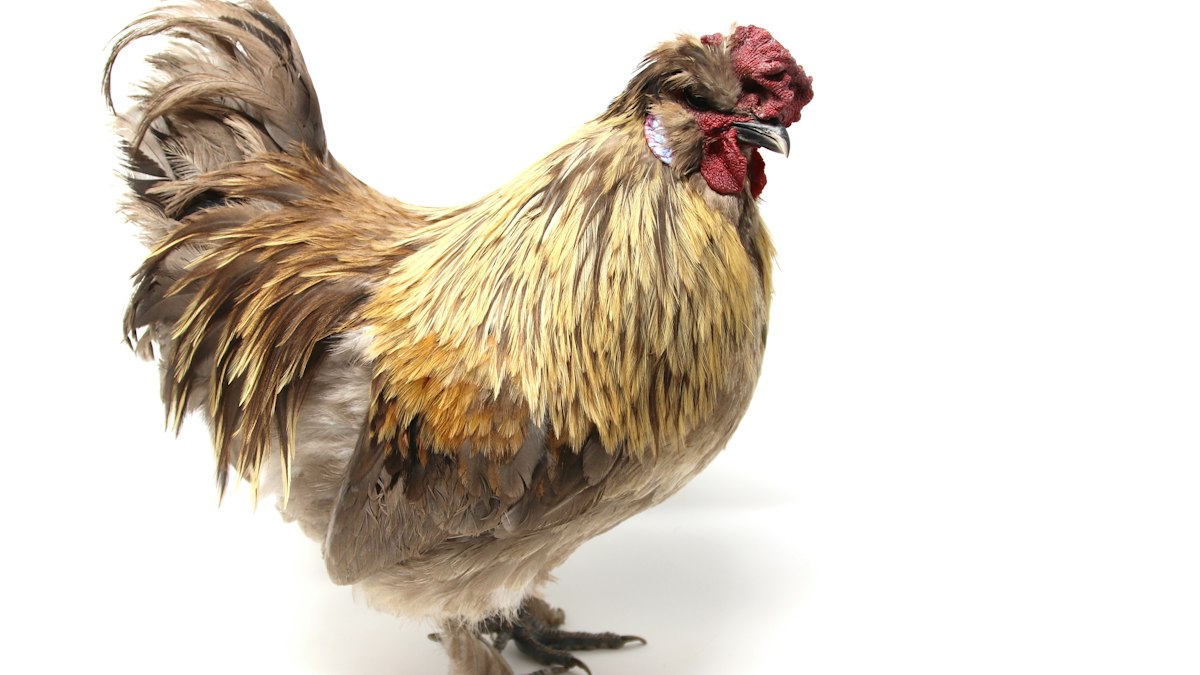
Keeping Backyard Chickens: A Beginner’s Guide to Coops, Feed and Daily Care
On this page
Keeping backyard chickens is very achievable for most households, provided you can offer a secure, dry coop, a decent-sized run, a complete layers feed and a few minutes of care twice a day. Hens are sociable, curious birds that need company, protection from predators and regular health checks. This guide covers what to sort out before your first birds arrive and what daily life with a small flock really involves.
Key Points
- Check local rules first: some areas require you to register even a small flock, and tenancy agreements or deeds may restrict poultry.
- Start with at least three hens. Chickens are flock animals and a single bird kept alone is likely to be stressed.
- A predator-proof coop with perches, nest boxes and good ventilation matters more than any other piece of kit.
- Feed a complete layers pellet or mash as the main diet, with grit, oyster shell and clean water always available.
- Look at your birds properly every day. Chickens tend to hide illness until they are quite unwell.
Before You Buy: Rules, Neighbours And Time
The first step is not choosing a breed but checking what applies where you live. In some countries, including the UK, keepers are expected to register their birds with the relevant government agency, even if they only have a handful of hens. Registration means you can be contacted during an outbreak of a disease such as avian influenza, when housing or biosecurity measures may be required by law. Rules change, so check the current guidance for your area.
It is also worth reading your lease or property deeds, as some prohibit livestock, and having a friendly word with your neighbours. Hens are fairly quiet, but they do announce a freshly laid egg. Cockerels are a different matter: they crow loudly, often at dawn, and you do not need one for your hens to lay eggs.
Think honestly about time too. Chickens need letting out every morning, shutting in safely every evening, and someone to cover holidays. Hens can live for many years, often well beyond the point where they lay regularly, so plan for their whole lives rather than just the laying years.
Choosing Your First Hens
For beginners, a small group of three to five hens is a manageable start. Common options include:
- Hybrid laying hens – bred for good egg production and usually friendly and easy to handle. Many are sold at “point of lay”, meaning they are close to laying their first eggs.
- Pure breeds – often hardier and longer-lived, with more variety in looks and temperament, though many lay fewer eggs and may go broody more often.
- Rehomed ex-commercial hens – a kind choice for many keepers. They may arrive with patchy feathers and need a little time to learn how to perch and forage, but they usually settle well.
Buy from a reputable source, ask about vaccination history, and look for bright eyes, clean nostrils, smooth legs and an alert, active bird. If you are adding to an existing flock, keep newcomers separate for a period first so you can watch for signs of illness before mixing them.
The Coop: Shelter, Perches And Nest Boxes
A good coop keeps hens dry, draught-free and safe at night. Ventilation should be high up, above the perches, so stale air and moisture can escape without blowing directly onto the birds. Poor ventilation leads to damp bedding and ammonia build-up, which can irritate the airways.
Space guidance varies by breed and source, so treat these as general starting points rather than exact rules:
| Feature | General guide for standard-sized hens |
|---|---|
| Floor space inside the coop | Roughly 0.3–0.4 square metres per bird, more for large breeds |
| Perch space | About 20–25 cm of perch per bird, set higher than the nest boxes |
| Nest boxes | Around one box for every three to four hens |
| Run space | As much as you can give; at least about 1 square metre per bird, ideally far more |
Many small coops sold online are advertised for more birds than they can comfortably house, so be cautious with the manufacturer’s numbers. Choose a design with easy access for cleaning, removable perches and solid construction.
Use a dust-extracted bedding such as wood shavings or chopped straw, and avoid dusty or heavily scented materials.
Keeping Predators Out
Foxes are the main threat in many areas, and they hunt by day as well as night. Rats, badgers, dogs and birds of prey can also cause problems.
- Use strong weld mesh rather than chicken wire, which keeps hens in but does not reliably keep predators out.
- Bury mesh along the edge of the run or lay a mesh skirt outward from the base to stop digging.
- Cover the run with a roof or mesh top if foxes or birds of prey are a concern.
- Shut hens in every night without fail. An automatic door can help, but check it regularly.
- Store feed in sealed metal bins to avoid attracting rodents.
Feeding And Water
The foundation of the diet should be a complete layers feed, offered as pellets or mash. It is formulated to give laying hens the protein, vitamins and calcium they need. Young birds that are not yet laying need a growers feed instead, as layers feed contains more calcium than they should have.
Alongside the main feed, provide:
- Insoluble grit – hens have no teeth, so they use small stones in the gizzard to grind food.
- Oyster shell or another calcium source – offered separately so each hen can take what she needs for strong eggshells.
- Clean, fresh water – always available, in a drinker that is cleaned regularly and protected from freezing in winter.
Treats such as mixed corn or suitable greens should be a small extra, not a large part of the diet, as too many treats dilute the nutrition in their main feed and can lead to weight gain. Be aware that in the UK and some other places, feeding kitchen scraps or catering waste to poultry is not permitted, even for pet hens, because of the disease risks it carries. Check the rules where you live.
A Simple Daily And Weekly Routine
Chickens thrive on routine. A typical pattern for a small flock looks like this:
- Morning: let the hens out, top up feed and water, and watch them for a minute as they come out. Each bird should be bright, moving normally and keen to eat.
- Through the day: collect eggs at least once, ideally twice. This keeps eggs clean and discourages egg eating.
- Evening: make sure every hen has gone to roost, count them, and close the door securely.
- Weekly: remove soiled bedding, refresh nest boxes, scrub drinkers, and check perches and crevices for red mite.
- Every few months: give the coop a thorough clean and inspect the run, fencing and mesh for damage.
Hens also need somewhere to dust bathe. A dry, sheltered patch of soil or a shallow box of dry earth lets them clean their feathers and helps them manage external parasites. Scattered feed to forage for and areas of cover help reduce boredom and feather pecking.
Health Checks And Parasites
Getting your hens used to being handled makes regular checks much easier. Every week or two, pick up each bird and look at the eyes, nostrils, comb, feathers, vent, feet and legs. Feel the crop in the evening, when it should be full, and again first thing in the morning, when it should be nearly empty.
Common problems to look out for include red mite (tiny mites that hide in the coop by day and feed on hens at night), lice, scaly leg mite, which lifts the scales on the legs, and intestinal worms. Your vet can advise on suitable checks and products for your flock. Most hens moult once a year, usually in autumn, and often stop laying for a few weeks. This is normal.
When To Speak To A Vet
Chickens are good at hiding illness, so any change in behaviour is worth taking seriously. Speak to a vet, ideally one experienced with poultry, if you notice:
- A hen standing hunched and fluffed up, separating from the flock, or not eating or drinking
- Laboured or noisy breathing, discharge from the eyes or nostrils, or swelling around the face
- Repeated straining with no egg produced, or a swollen, soft abdomen
- A crop that stays full, squashy or foul-smelling in the morning
- Diarrhoea, blood in droppings, sudden weight loss or limping
- Several birds becoming ill or dying suddenly
Some poultry diseases, including avian influenza, must be reported to the authorities if suspected. If several birds fall ill or die unexpectedly, contact your vet straight away and follow official guidance. This article is general information only and cannot replace advice from a qualified veterinarian who has examined your birds.
Frequently Asked Questions
How Many Eggs Will Backyard Hens Lay?
It depends on breed, age, season and health. Hybrids often lay most days in their first year or two, while many pure breeds lay less. Laying slows in winter, during the moult and with age.
Do I Need A Cockerel?
No. Hens lay eggs without a cockerel. You only need one if you want fertile eggs for hatching, and cockerels are noisy, which may not suit close neighbours.
Can Chickens Free-Range In The Garden?
Yes, supervised time in the garden is enriching, but hens will scratch up borders and eat many plants. Make sure the area is secure, free from toxic plants and chemicals, and that free-ranging is allowed during any disease-control housing measures.
How Cold Is Too Cold For Chickens?
Healthy, fully feathered hens cope well with cold if their coop is dry and draught-free. Wet, draughts and frozen water cause more trouble than low temperatures alone. Heat can be harder for them, so provide shade and water on hot days.
Keeping backyard chickens rewards a bit of planning with daily eggs, entertaining company and a closer connection to where your food comes from. For more advice on poultry and other livestock, visit our farm animals hub, or browse the care library for guides on everyday pet health and welfare.