Caring for a Senior Dog: Everyday Changes That Make Life Easier
On this page
Senior dog care is mostly about small, thoughtful adjustments: gentler exercise, a comfortable bed, food that suits a slower metabolism, and more regular health checks. Most older dogs stay happy and engaged for years when their routine and home are adapted to their changing needs. This guide covers the everyday changes that make the biggest difference.
Key points
- Dogs age at different rates; larger breeds generally become senior earlier than small breeds.
- Short, regular walks usually suit older dogs better than one long outing.
- Non-slip flooring, ramps and supportive beds can make home life much easier.
- Diet may need adjusting as activity levels and body condition change.
- Regular vet checks help pick up age-related problems early, when they are often easier to manage.
When Is A Dog Considered Senior?
There is no single age at which a dog becomes old. Size plays a big part: giant and large breeds tend to show signs of ageing earlier than small and toy breeds, which often stay active well into their teens. Your vet can tell you when your dog is likely to benefit from senior-focused care.
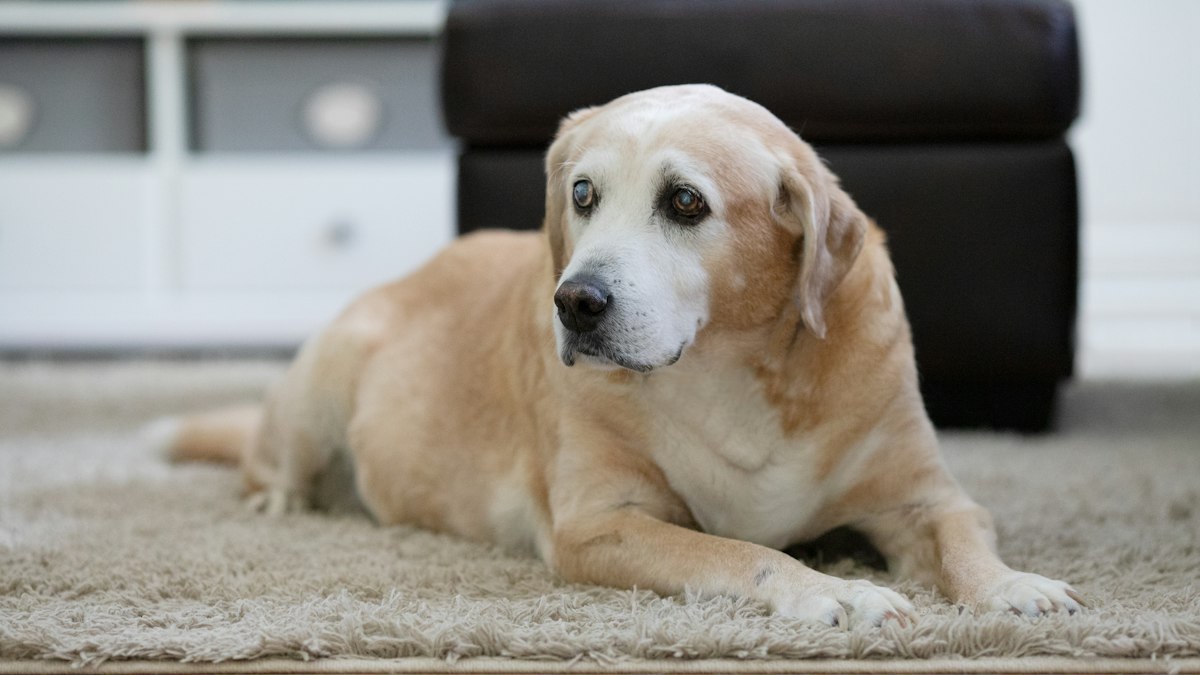
Rather than focusing on a number, watch for gradual changes. Common signs of ageing include a greying muzzle, sleeping more, slowing down on walks, stiffness after rest, some loss of hearing or eyesight, and changes in appetite or weight. Some of these are a normal part of getting older, but others can point to treatable problems, so it is worth mentioning them to your vet.
Adjusting Exercise For An Older Dog
Older dogs still need daily exercise. Movement keeps joints supple, maintains muscle and helps control weight, and getting out and about keeps their minds active. What usually changes is the type and length of activity.
- Little and often: two or three shorter walks are often more comfortable than one long one.
- Let them set the pace: allow plenty of time for sniffing, which is enjoyable and mentally tiring.
- Choose softer ground: grass and woodland paths are kinder to stiff joints than hard pavements.
- Avoid sudden, high-impact games: limit fast ball chasing, sharp turns and jumping.
- Mind the weather: older dogs can struggle more in heat and cold, so walk at cooler times in summer and consider a coat in winter.
If your dog stops halfway through a familiar walk, lags behind or is stiff the next morning, scale the walk back and mention it to your vet. Find more exercise guidance in our dog care hub.
Making Your Home Senior-Friendly
Small changes around the house can make a big difference to an older dog’s comfort and confidence.
- Add grip to slippery floors. Rugs or runners on laminate, wood and tiled floors help prevent slips and give your dog confidence to move around.
- Provide a supportive bed. A thick, firm, orthopaedic-style bed placed away from draughts helps cushion stiff joints.
- Reduce climbing and jumping. Ramps or steps can help dogs get into the car or onto a favourite sofa, and baby gates can block stairs if they become difficult.
- Raise food and water bowls slightly if your dog seems uncomfortable bending down, and check with your vet that this suits them.
- Keep the layout familiar. Dogs with failing eyesight rely on memory, so avoid moving furniture around unnecessarily.
- Offer extra warmth. Older dogs often feel the cold more, so a blanket or a bed in a warm spot is welcome.
Feeding A Senior Dog
As dogs age, their energy needs often fall because they are less active. If their portions stay the same, weight can creep up, which puts more strain on joints and the heart. Some older dogs go the other way and lose weight or muscle, which also needs attention.
Check your dog’s body condition regularly. You should be able to feel their ribs easily under a thin layer of fat and see a waist when looking from above. Many owners switch to a food designed for senior dogs, but there is no single right diet for every older dog. Your vet can recommend a suitable diet, particularly if your dog has a health condition that affects what they should eat.
Other helpful feeding tips include:
- Splitting the daily ration into smaller, more frequent meals if your dog has a smaller appetite.
- Making sure fresh water is always easy to reach.
- Gently warming or softening food if your dog seems to find chewing harder, and mentioning this to your vet.
- Keeping an eye on how many treats are given, as they add up quickly.
Grooming, Teeth And Nails
Regular grooming becomes even more important in later life. It keeps the coat and skin healthy and gives you a chance to check for lumps, sore spots and changes you might otherwise miss.
Nails often grow longer in older dogs because they walk less on hard ground. Overgrown nails can affect how a dog stands and walks, so check them regularly and ask your vet or a groomer to help if you are unsure.
Teeth deserve attention too. Dental disease is common in older dogs and can make eating painful. Signs include bad breath, dropping food, chewing on one side, or pawing at the mouth. Daily tooth brushing with a dog-safe toothpaste helps, and your vet can check your dog’s teeth at routine visits.
Keep grooming sessions short and gentle, and use a non-slip mat so your dog feels steady.
Supporting The Senior Mind
Ageing affects the brain as well as the body. Keeping your dog mentally engaged can help them stay content and interested in life.
- Use puzzle feeders and snuffle mats for part of their meals.
- Practise easy, familiar tricks with plenty of rewards.
- Try gentle scent games, such as hiding treats around a room.
- Keep a predictable daily routine, which many older dogs find reassuring.
Some older dogs develop changes in behaviour, such as seeming confused, getting stuck in corners, pacing at night, forgetting house training or becoming more anxious. These changes are worth discussing with your vet rather than putting down to old age, as there may be ways to help.
Dogs With Hearing Or Sight Loss
Many dogs cope remarkably well with reduced hearing or eyesight, especially if changes happen gradually. You can help by approaching calmly so you do not startle them, using hand signals alongside words, and gently touching or stamping on the floor to let them know you are there. Keep their environment consistent and use a lead in unfamiliar places.
When To Speak To A Vet
Regular check-ups are especially valuable for senior dogs; many vets suggest more frequent visits as dogs age. Between visits, contact your vet if you notice:
- Drinking or urinating more than usual, or toileting accidents in the house.
- Weight loss or gain, or a change in appetite.
- New lumps or bumps, or existing ones that change.
- Stiffness, limping or reluctance to walk, jump or use stairs.
- Coughing, breathlessness or tiring very quickly.
- Bad breath, difficulty eating or dropping food.
- Confusion, restlessness at night or other changes in behaviour.
Frequently Asked Questions
How Often Should A Senior Dog See The Vet?
Many vets recommend more frequent check-ups for older dogs than for young adults. Ask your vet what interval suits your dog’s age and health.
Should I Stop Walking My Old Dog?
Usually not. Most senior dogs benefit from continuing daily walks, just shorter and gentler ones. Speak to your vet if walking seems painful or difficult.
Is It Normal For An Older Dog To Sleep More?
Older dogs often sleep more than they did when younger. However, sudden changes in sleep patterns, restlessness at night or unusual lethargy are worth mentioning to your vet.
Do Senior Dogs Need Special Food?
Not always. Some do well on their usual diet with adjusted portions, while others benefit from a senior or prescription diet. Your vet can advise based on your dog’s weight and health.
Caring for a senior dog is a chance to give back some of the loyalty and companionship they have given you. With a few adjustments to exercise, diet and home life, plus regular vet checks, many older dogs enjoy comfortable, happy years. For more everyday advice, browse the care library.